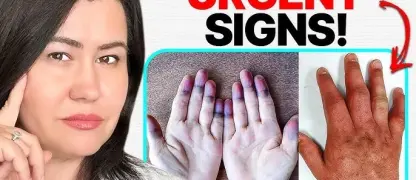

Are you unusually flexible or have fragile skin? Understanding Ehlers-Danlos Syndromes is vital for a correct diagnosis and managing complex symptoms. Don't let your unique challenges go misunderstood.
What are the main causes of Ehlers-Danlos Syndromes?
- What is EDS? It is a group of inherited disorders caused by genetic mutations affecting the structure or production of collagen and other connective tissues.
- This faulty collagen leads to the weakness and fragility of skin, bones, blood vessels, and other organs throughout the body.
- Most EDS types are passed down from a parent who has the condition, though in rare cases, a spontaneous new gene mutation can occur.
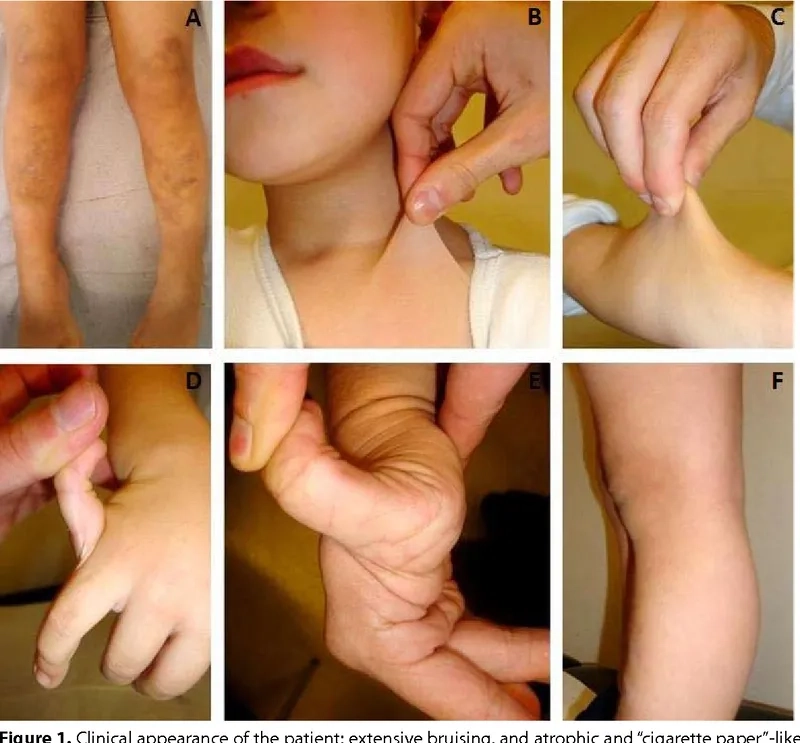
Key symptoms of Ehlers-Danlos Syndromes to watch for
- The most common of all Ehlers Danlos Syndrome symptoms is joint hypermobility, where joints move beyond the normal range, leading to frequent dislocations.
- Skin that is soft, velvety, very stretchy (hyperextensible), and fragile, which bruises easily and heals poorly, is a classic sign.
- Many individuals also experience chronic pain, fatigue, and co-occurring conditions like Postural Orthostatic Tachycardia Syndrome, also known as POTS.
How can you prevent complications from Ehlers-Danlos Syndromes effectively?
- A formal EDS diagnosis, which may include using the Beighton score for hypermobile EDS (hEDS), is the first step toward a management plan.
- A key EDS treatment is physical therapy focused on strengthening muscles around joints to improve stability and reduce the risk of injury.
- Avoiding high-impact sports and activities that put stress on joints can help prevent dislocations, chronic pain, and other long-term complications.
>>> Add more knowledge: Scoliosis - Treatment options from bracing to surgery
The top Ehlers-Danlos Syndromes images everyone is searching for
-

An illustration of faulty collagen in connective tissues 
A heart rate monitor showing signs of POTS 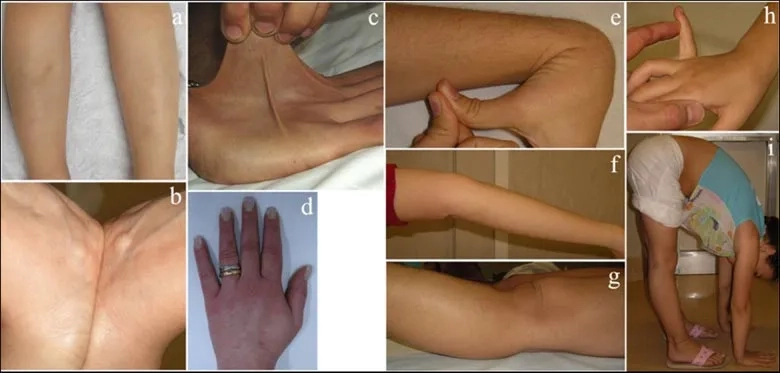
A physical therapist guiding a patient through EDS treatment 
The steps involved in getting an EDS diagnosis 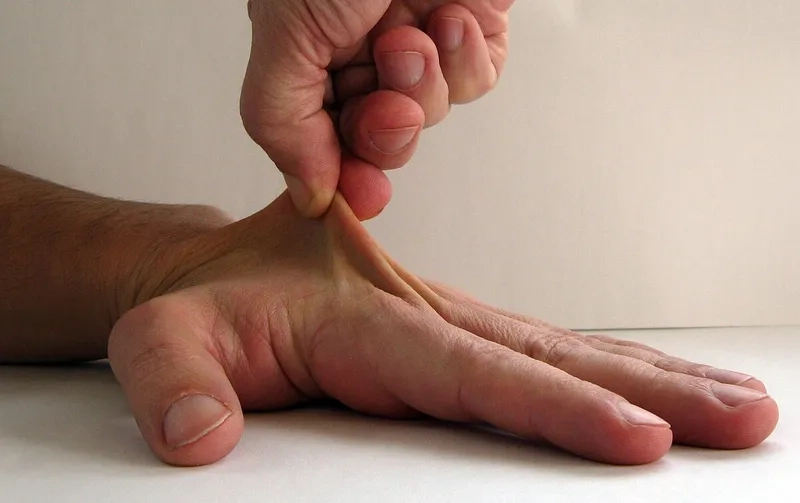
A doctor using the Beighton score to test a patient 
Patient with a diagnosis of hypermobile EDS (hEDS)
>>> See more photos: Spinal stenosis - Finding relief for your narrowed spinal canal
Living with EDS requires a multidisciplinary approach. If you suspect you have EDS, consult a geneticist or rheumatologist for a comprehensive evaluation and personalized care plan.
>>> Read to understand more: Herniated disc (chronic pain) - Non-surgical pain management