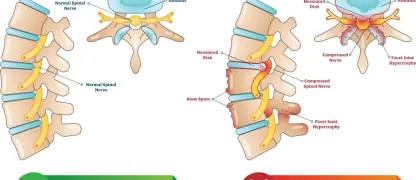

Struggling with chronic back or neck pain? Don't ignore the signs of a herniated disc. This guide breaks down the causes, symptoms, and key management strategies to help you find relief and regain control.
What are the main causes of a Herniated Disc?
- The most common cause is gradual, age-related wear and tear known as disc degeneration, making the discs less flexible and more prone to tearing.
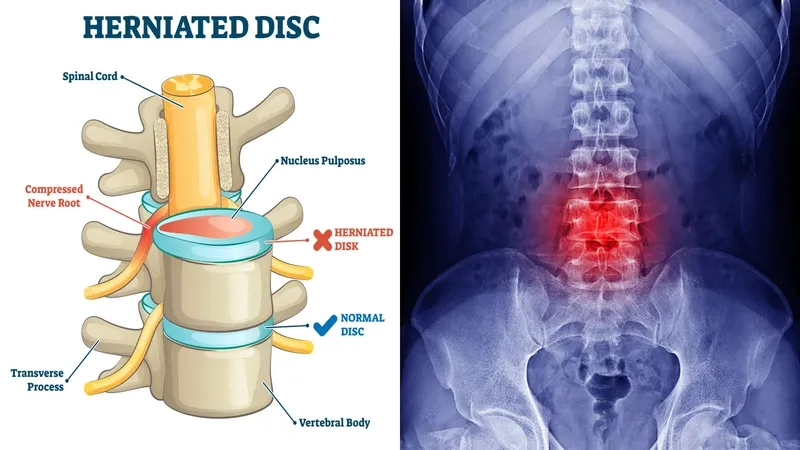
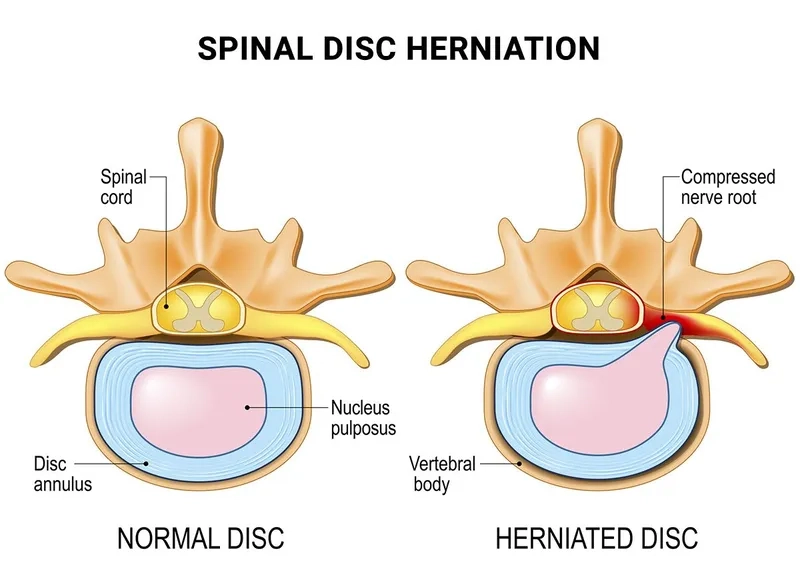
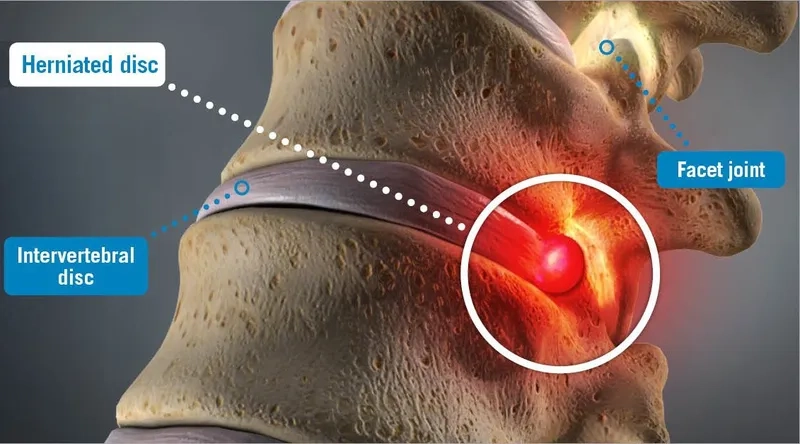
- A sudden strain from improperly lifting heavy objects or twisting forcefully can cause the inner gel-like substance of a disc to rupture or push through.
- Repetitive physical activities that put stress on the spine, often related to certain jobs or sports, can contribute to the development of a herniated disc.

Key symptoms of a Herniated Disc to watch for
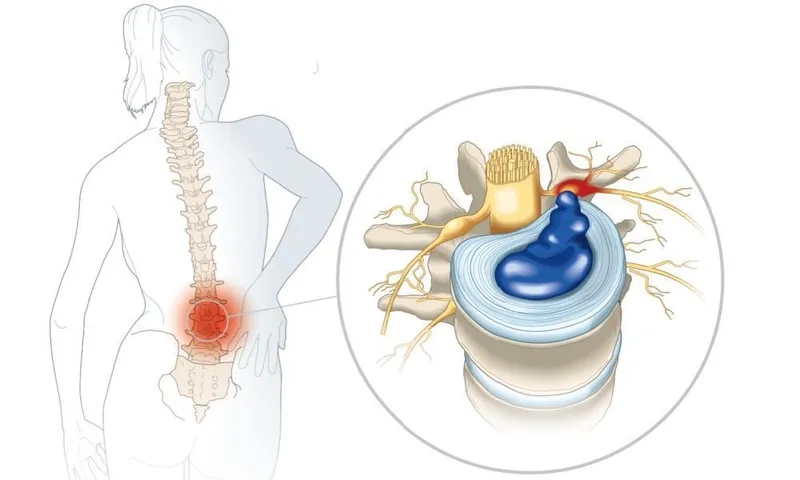
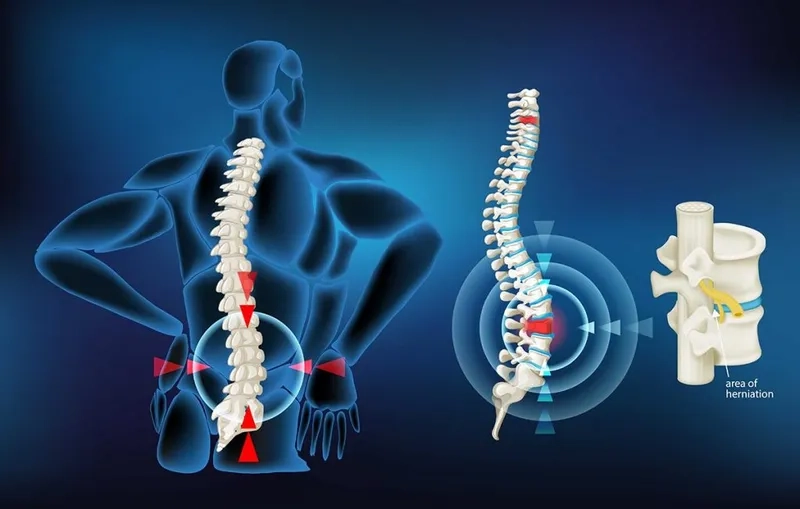
- A lumbar herniated disc often causes sharp, shooting pain that radiates from the lower back down the leg, a common condition known as sciatica.
- With a cervical herniated disc, you may experience pain that travels from the neck into the shoulder and arm, accompanied by tingling or numbness.
- Weakness in the muscles served by the affected nerves is another key symptom, potentially causing you to stumble or struggle with gripping objects securely.
How can you prevent a Herniated Disc effectively?
- Practice proper lifting techniques by always bending at your knees, not your waist, and keeping your back straight while holding heavy objects close to your body.
- Maintain a healthy weight and good posture while sitting, standing, and sleeping to reduce the everyday stress and pressure placed upon your spinal discs.
- Incorporate regular core-strengthening exercises for a herniated disc into your routine to provide better support for your spine and improve its overall stability.
>>> See more photos: Psoriasis - Effective treatments for this common skin condition
The most searched Herniated Disc images
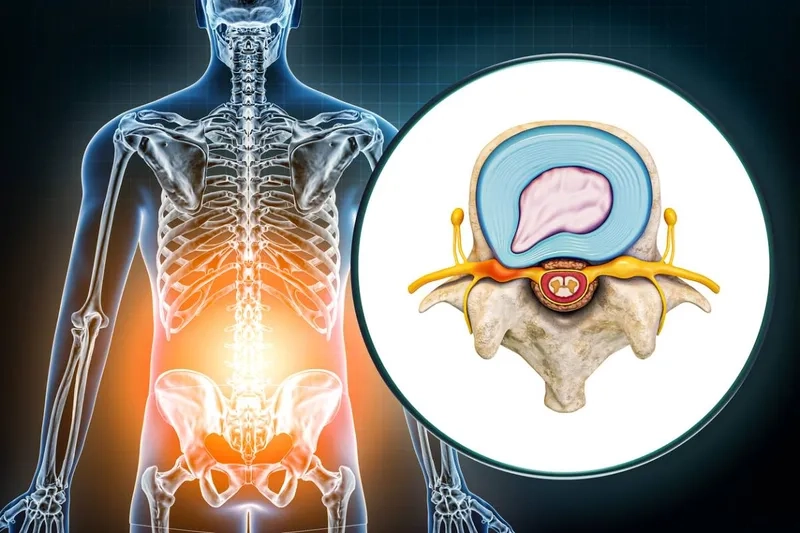
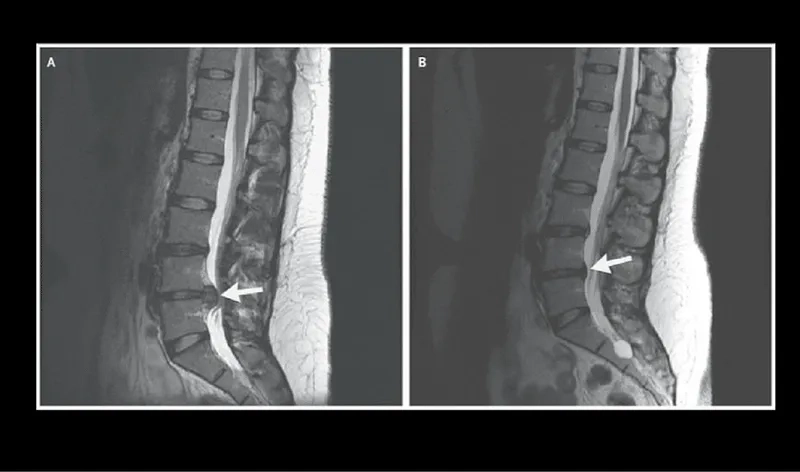
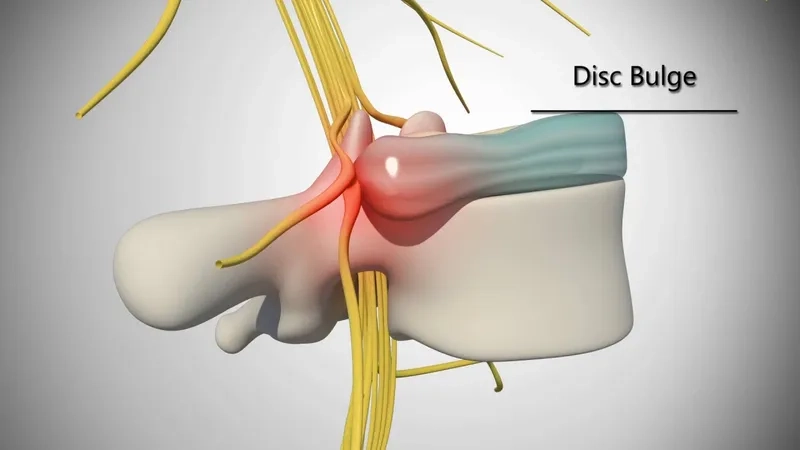
>>> Add more knowledge: Eczema - How to manage flare-ups and soothe itchy skin
Managing chronic pain from a herniated disc is possible with the right approach. Always consult a healthcare professional for an accurate diagnosis and a personalized treatment plan. Share this guide to help others find clarity.
>>> Let's learn: Grave's disease - Understanding this common autoimmune disorder