
Unexplained weight loss, anxiety, or eye changes? Don't ignore these signs. Understanding Graves' disease, a leading cause of hyperthyroidism, is vital for early diagnosis and getting the right treatment.
What are the main causes of Graves' Disease?
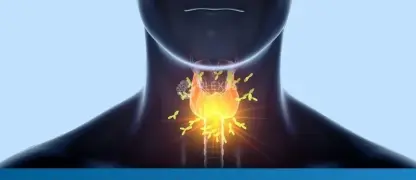
- This autoimmune disease occurs when your immune system creates antibodies that mimic TSH, causing the thyroid to overproduce its hormones.
- A family history of Graves' disease or other autoimmune conditions significantly increases your risk, indicating a strong genetic link to the disorder.
- While not fully understood, factors like stress, pregnancy, and infections may act as triggers that activate the disease in susceptible individuals.
Key symptoms of Graves' Disease to watch for
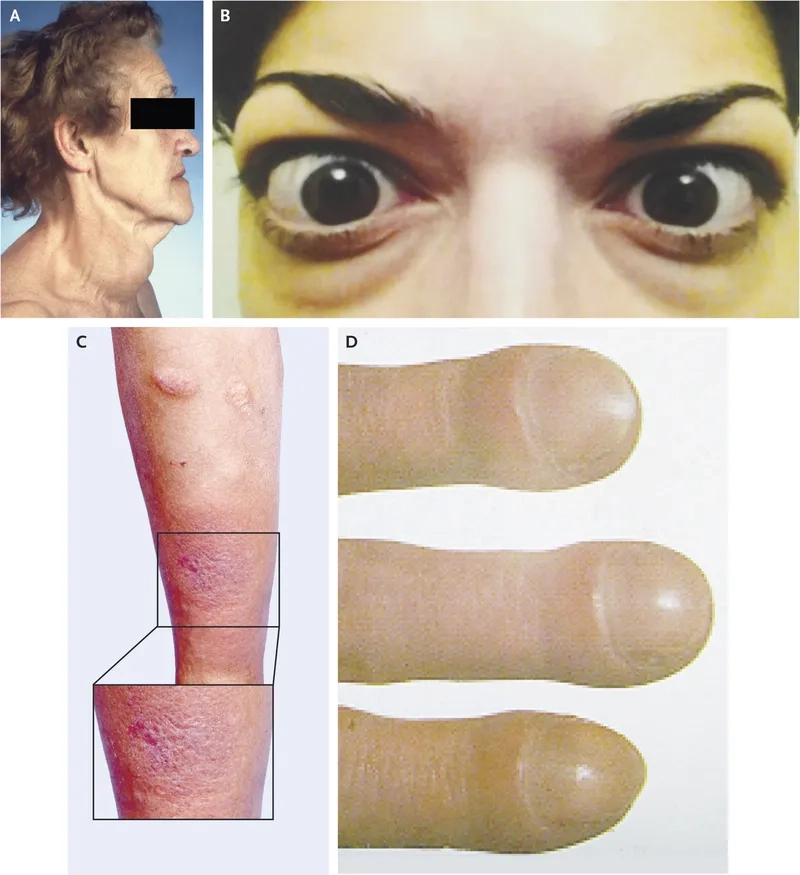
- Common symptoms include anxiety, rapid heartbeat, weight loss, and heat sensitivity, all resulting from an overactive thyroid gland (hyperthyroidism).
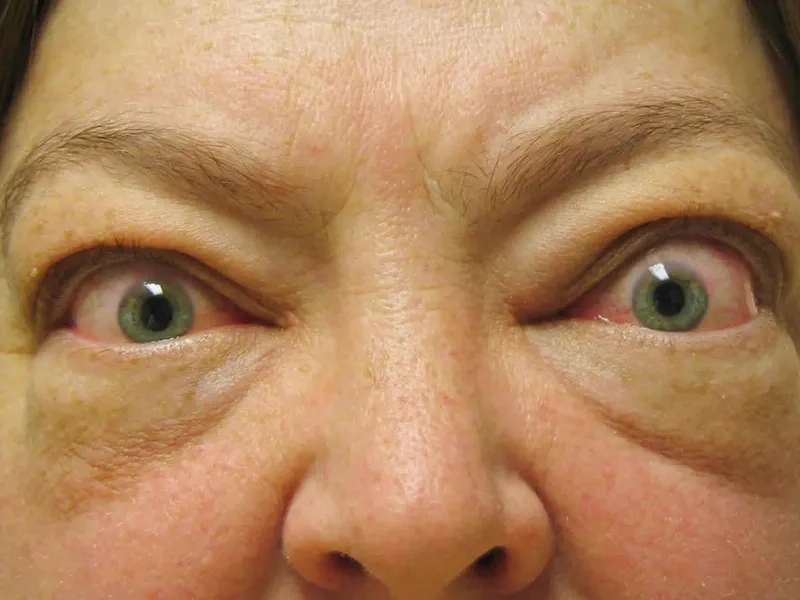
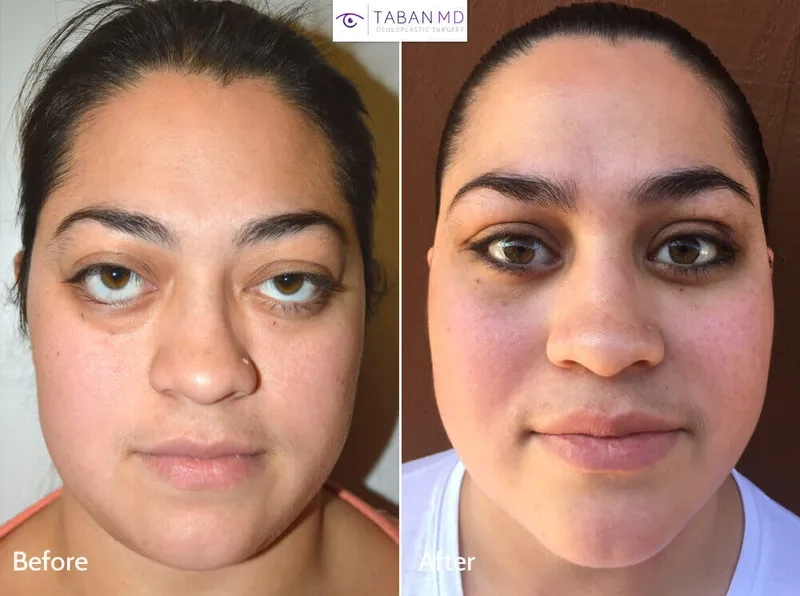
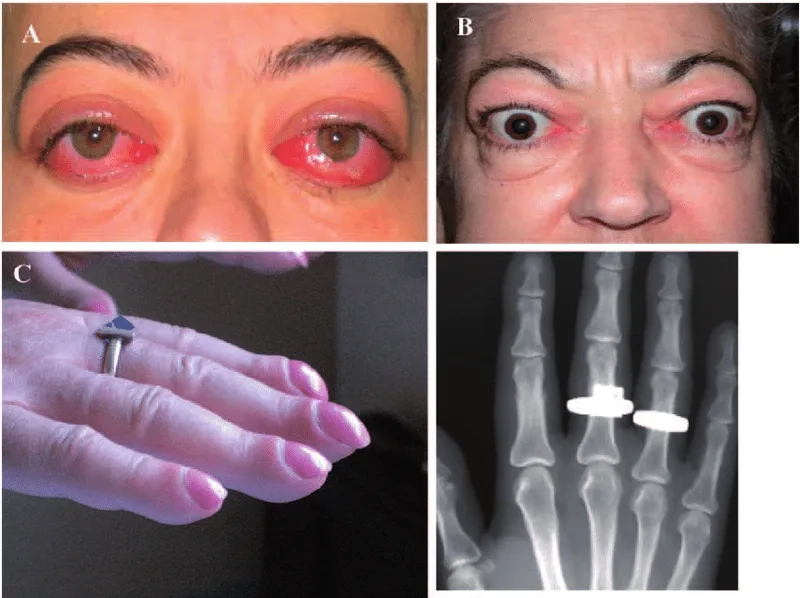
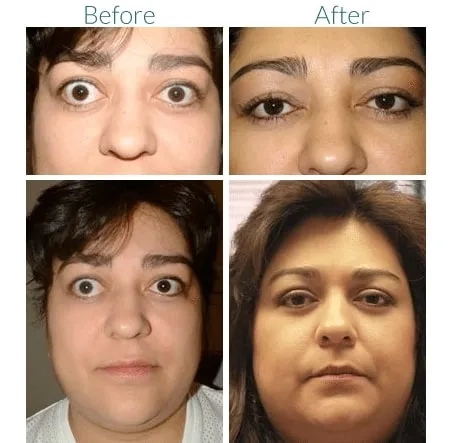
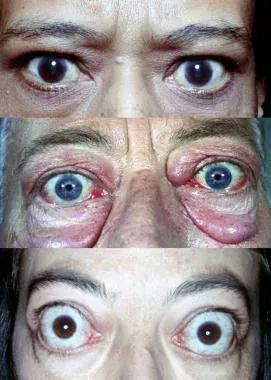
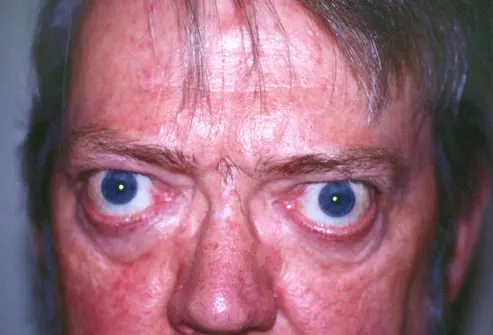
- Many patients develop thyroid eye disease, causing bulging eyes, pressure or pain behind the eyes, and retracted eyelids.
- People may experience an enlarged thyroid gland (goiter) and some can develop a reddish, lumpy skin rash on their shins.
How can you prevent Graves' Disease effectively?
- Treatment often begins with anti-thyroid drugs, like methimazole, which reduce the amount of hormones your thyroid gland produces.
- A common, highly effective option is radioactive iodine therapy, where radioactive iodine is taken to slowly destroy overactive thyroid cells.
- Doctors may also prescribe beta-blockers to rapidly manage symptoms like rapid heart rate and tremors while other treatments take effect.
>>> Add more knowledge: Multiple sclerosis (MS) - Understanding symptoms and progression
The top Graves' Disease images everyone is searching for

>>> Read to understand more: Myasthenia gravis - Managing muscle weakness and fatigue
Properly managing Graves' disease is essential for preventing complications. If you recognize these symptoms, consult an endocrinologist for a comprehensive evaluation and to discuss the best treatment path for you.
>>> Explore more: Polymyalgia rheumatica - Treating muscle pain in older adults