

Struggling with uncontrollable daytime sleepiness? Don't dismiss it as just fatigue. Understanding narcolepsy is the first step to regaining control. This guide explains what you need to know about this condition.
What are the main causes of Narcolepsy?
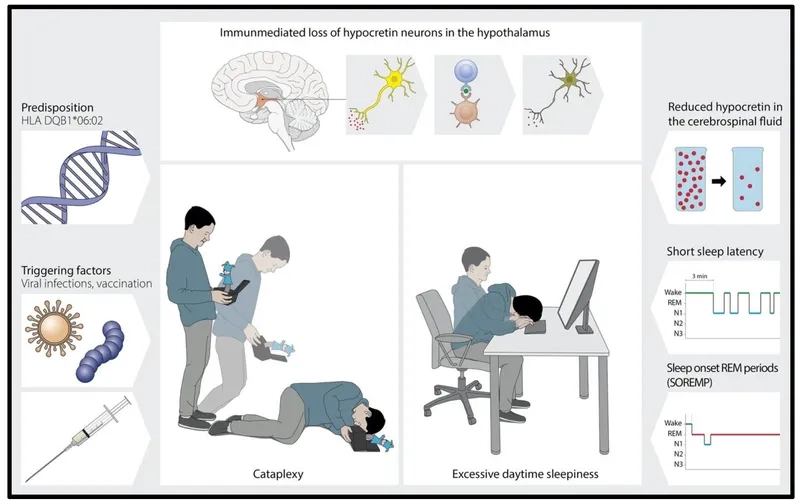
- The most common cause is a lack of hypocretin, a brain chemical that helps regulate a person's wakefulness and REM sleep cycles.
- It's believed an autoimmune reaction mistakenly destroys the hypocretin-producing cells, often triggered by a prior infection like the flu.
- While most cases are sporadic, certain genetic factors can increase a person's susceptibility to the autoimmune attack that leads to narcolepsy.

Key symptoms of Narcolepsy to watch for
- The primary symptom is excessive daytime sleepiness (EDS), causing sudden "sleep attacks" regardless of the situation or amount of prior sleep.
- Many experience cataplexy, a sudden loss of muscle tone triggered by strong emotions, a key sign of narcolepsy with cataplexy.
- Experiencing temporary inability to move or speak while falling asleep or waking (sleep paralysis) and vivid, dream-like hallucinations are also common.
How can you prevent Narcolepsy effectively?
- A primary narcolepsy treatment involves central nervous system stimulants to help people stay awake and alert during the day.
- Specific antidepressants are often prescribed to help control cataplexy, sleep paralysis, and hallucinations by suppressing aspects of REM sleep.
- Maintaining a strict sleep schedule with short naps, and avoiding caffeine or alcohol before bed can significantly help manage symptoms.
>>> See more photos: Epilepsy - A guide to understanding and managing seizures
The top Narcolepsy images everyone is searching for







>>> Update more information: Migraine - More than just a headache, a complex neurological issue
Living with narcolepsy is challenging, but effective treatments exist. If you have symptoms, see a sleep specialist for a narcolepsy test and a plan to improve your daily life.
>>> Learn more: Tourette syndrome - Understanding the reality behind the tics