
Misconceptions about Tourette Syndrome are common, but the reality is complex and widely misunderstood. Don't miss this essential guide that separates fact from fiction and clarifies what it means to live with this neurological condition.
What are the main causes of Tourette Syndrome?
- The exact causes of tourette's are unknown, but it is a complex neurological disorder involving a combination of inherited genetic and environmental factors.
- It is a strongly inherited condition, meaning that specific genes passed down through families play a significant role in its development during childhood.
- Abnormalities in certain brain regions and the chemicals that transmit nerve impulses, like dopamine, are also believed to contribute to the disorder.
Key symptoms of Tourette Syndrome to watch for
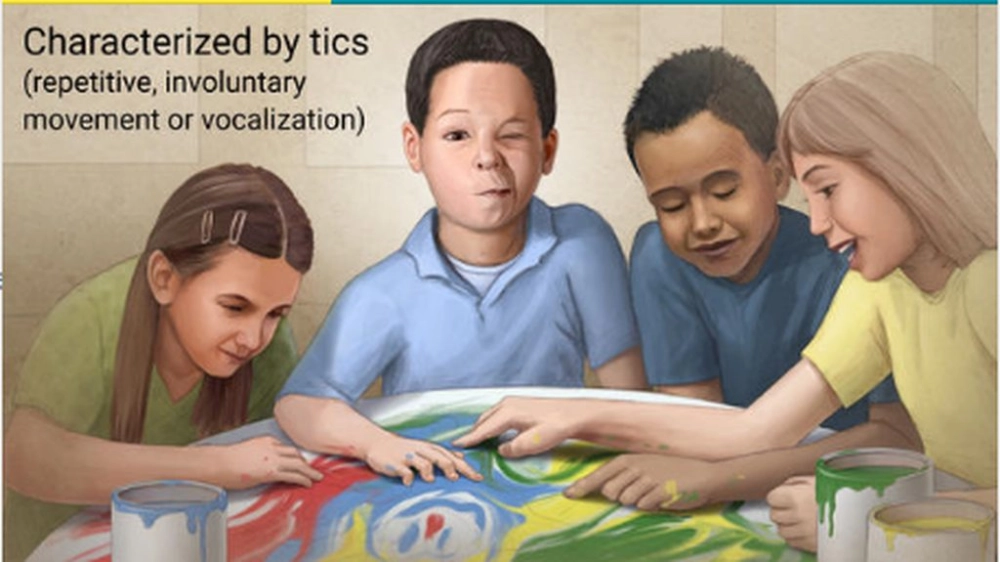
- The primary tourette syndrome symptoms are involuntary, repetitive movements and vocalizations known as tics, which can be either simple or complex.
- Motor tics can include eye blinking, head jerking, or shoulder shrugging, while vocal tics may involve grunting, throat clearing, or repeating words.
- A rare and often misunderstood symptom is coprolalia, the involuntary utterance of obscene words, which affects only a small percentage of individuals.
How can you manage Tourette Syndrome effectively?
- Since the condition cannot be prevented, tourette's treatment focuses on managing tics that interfere with daily functioning, school, or work performance.
- Behavioral therapies, such as habit reversal training and comprehensive behavioral intervention for tics (CBIT), are a primary treatment approach.
- Medications may also be prescribed to help reduce the severity of tics when they cause pain, injury, or significant social or academic challenges.
>>> Add more knowledge: Huntington's disease - Understanding this inherited brain disorder
The top Tourette Syndrome images everyone is searching for




>>> Add more knowledge: Peripheral neuropathy - Managing numbness, tingling, and pain
Understanding what is tourette syndrome helps foster empathy and support. If you or someone you know shows signs, consulting a neurologist can lead to a proper diagnosis and an effective management plan.
>>> Understand more: Trigeminal neuralgia - Finding relief from severe facial pain