
Understanding Huntington's Disease is vital for affected families. Don't navigate this journey alone. This expert guide provides the essential information on causes, symptoms, and management you need to know, all in one place.
What are the main causes of Huntington's Disease?
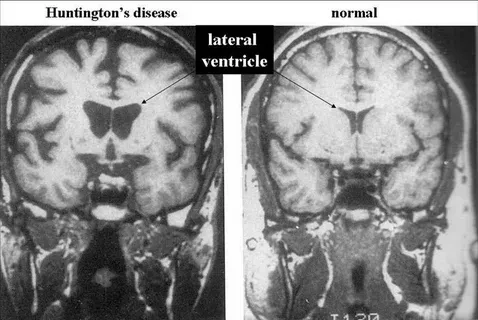
- Huntington's disease is a progressive brain disorder caused by a single defective gene on chromosome 4, leading to the gradual breakdown of nerve cells.
- The nature of Huntington's disease genetics is autosomal dominant, meaning an individual only needs one copy of the defective gene from a parent to develop it.
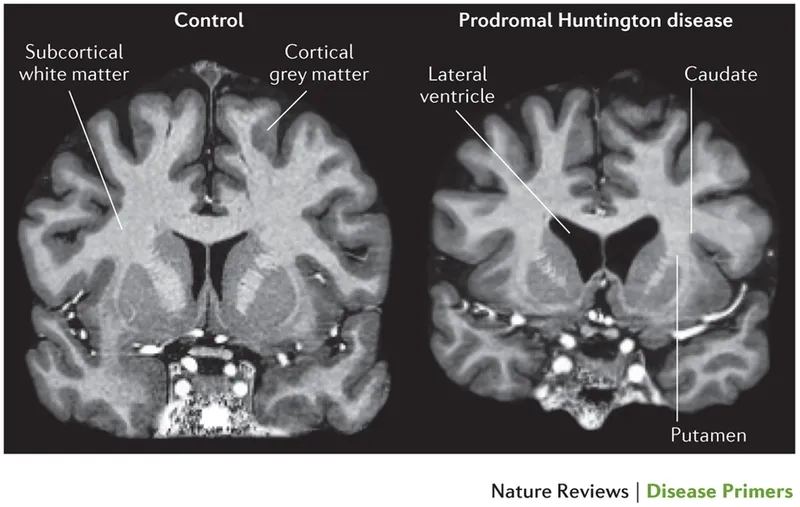
- This inherited mutation causes an abnormal protein to be produced, which is toxic to certain brain cells, ultimately disrupting movement, thought, and emotions.
Key symptoms of Huntington's Disease to watch for
- One of the most recognizable Huntington's disease symptoms is uncontrollable, jerky, or writhing movements, a condition known as Huntington's chorea.
- Cognitive decline is also common, manifesting as difficulty organizing tasks, a lack of impulse control, and problems with learning new information.
- The condition also has significant psychiatric effects, including depression, irritability, social withdrawal, and mood swings, which can appear before motor symptoms.
How can you manage Huntington's Disease effectively?
- As there is no cure, treatment focuses on managing symptoms and improving quality of life through medication, therapy, and support services.
- Doctors may prescribe medications to help control involuntary movements like chorea and to treat psychiatric conditions such as depression or obsessive-compulsive disorder.
- Physical, speech, and occupational therapies are crucial across all stages of Huntington's to help patients maintain independence and functional abilities for as long as possible.
>>> See more photos: Epilepsy - A guide to understanding and managing seizures
Key images for understanding Huntington's Disease






>>> Add more knowledge: Migraine - More than just a headache, a complex neurological issue
While a diagnosis of Huntington's Disease presents significant challenges, ongoing research and comprehensive care offer hope for managing symptoms. Seek support from healthcare providers and community resources to improve quality of life.
>>> See more photos: Dementia - A guide to the various forms and their stages