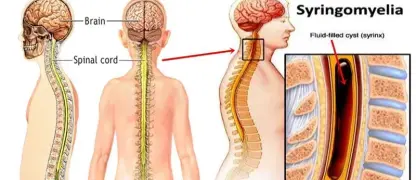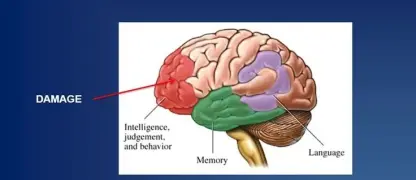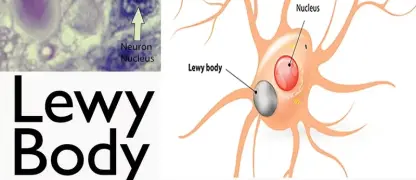

Persistent headaches and dizziness can be signs of an underlying issue. Don't ignore the symptoms. Our expert guide provides the crucial information you need to understand Chiari Malformation, from its causes to the latest effective treatments.
What are the main causes of Chiari Malformation?
- Chiari malformation is a structural defect in the cerebellum, the part of the brain that controls balance, and is usually present at birth.
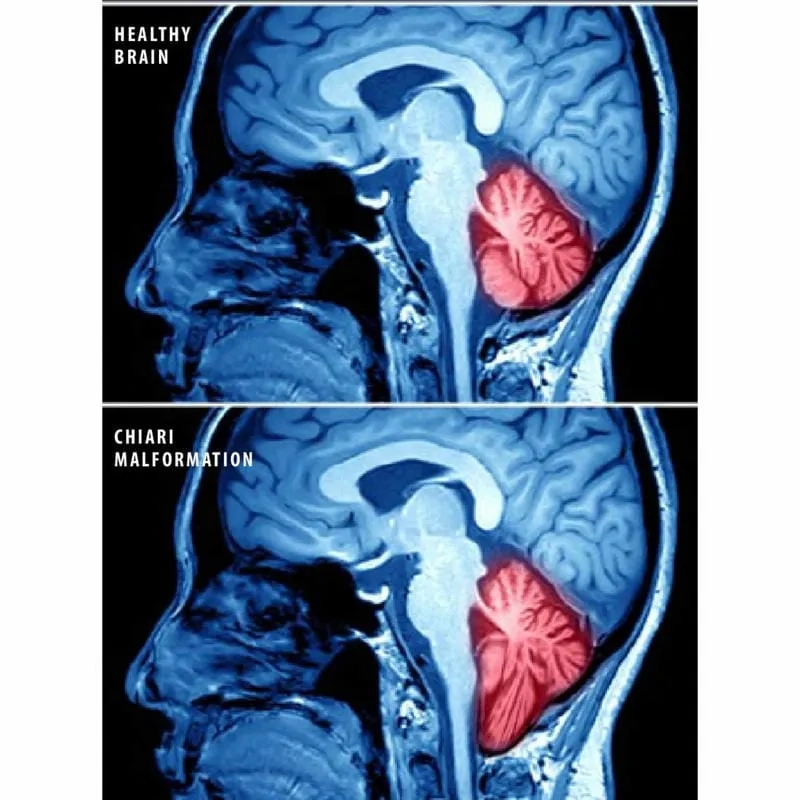
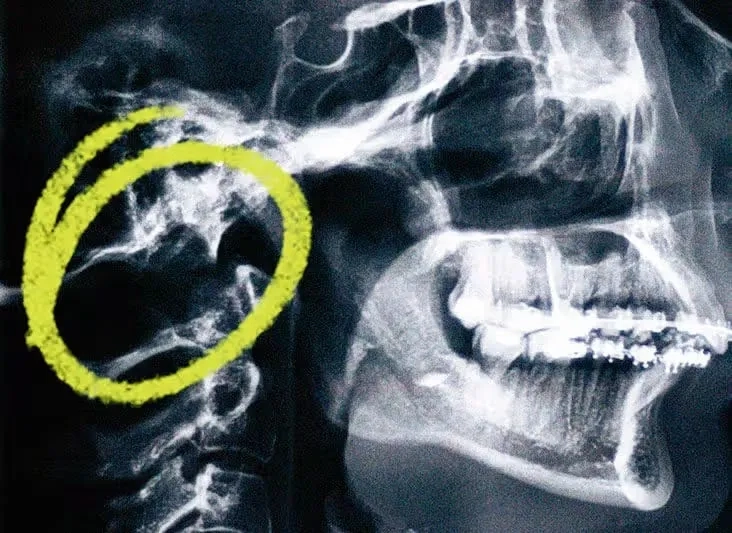
- It occurs when a portion of the skull is smaller than normal, which pushes the cerebellar tonsils down into the upper spinal canal.
- While it is primarily a congenital condition, it can rarely be acquired later in life due to injury, infection, or excessive spinal fluid loss.
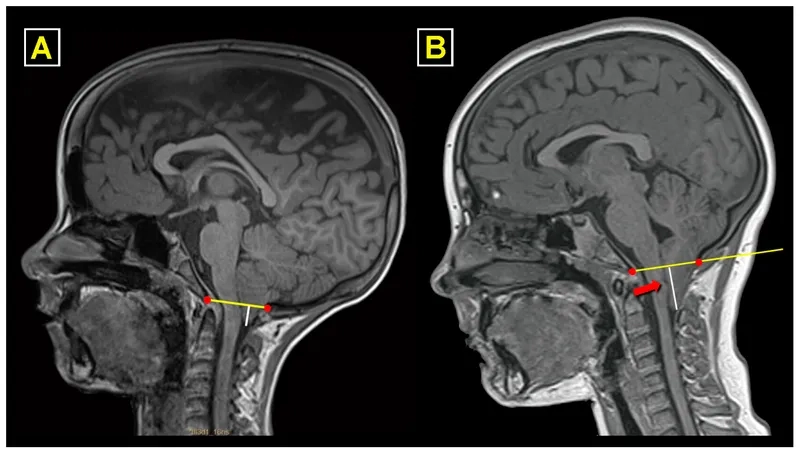
Key symptoms of Chiari Malformation to watch for
- The most common of all Chiari malformation symptoms are persistent, severe headaches, often triggered or worsened by coughing, sneezing, or straining.
- Many individuals, particularly with Chiari Type 1, also experience neck pain, dizziness, balance problems, and numbness in the hands or feet.
- Other potential symptoms include difficulty swallowing, ringing in the ears, a hoarse voice, and problems with fine motor skills and coordination.
How is Chiari Malformation managed and treated?
- Chiari malformation treatment depends on the severity; if there are no symptoms, regular monitoring with MRI scans may be all that is needed.
- For those with mild symptoms like headaches, pain medication may be prescribed to help manage discomfort and improve daily quality of life.
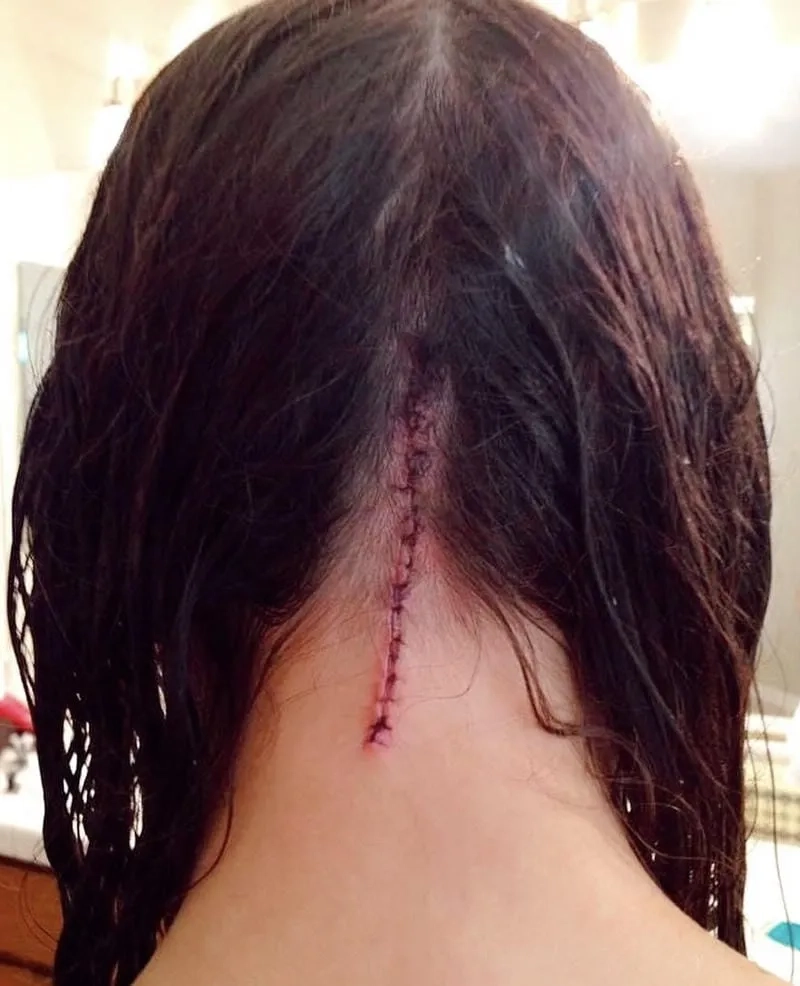
- When symptoms are severe or worsening, Chiari malformation surgery may be recommended to relieve pressure on the cerebellum and spinal cord.
>>> Read to understand more: Dementia - A guide to the various forms and their stages
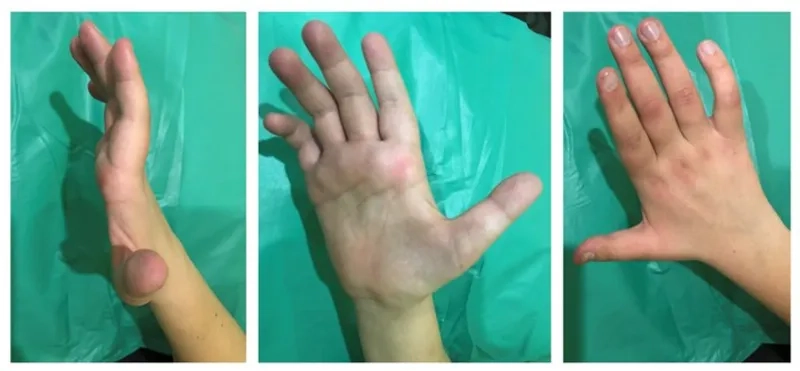
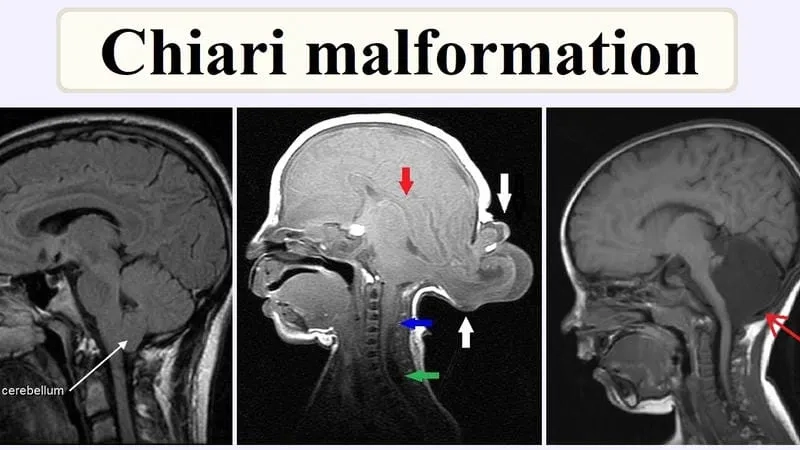
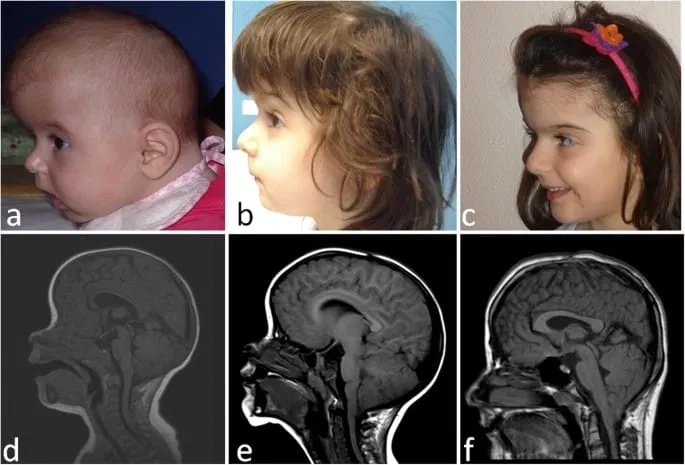
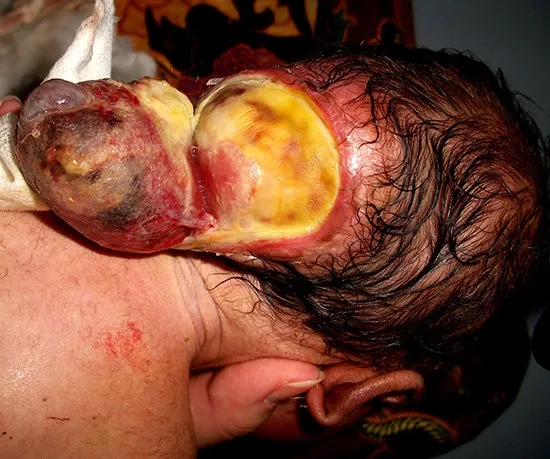
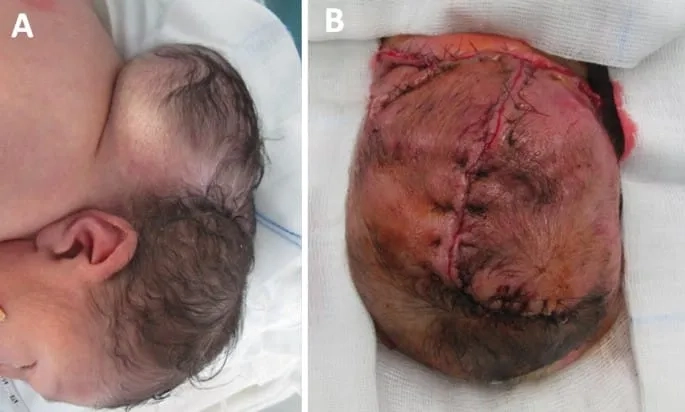
The top Chiari Malformation images everyone is searching for
>>> Read to understand more: Amyotrophic lateral sclerosis (ALS) - The facts about this disease
An accurate diagnosis is the key to managing Chiari Malformation. If you are experiencing persistent headaches or other neurological symptoms, consult a neurologist or neurosurgeon for a comprehensive evaluation and to discuss your options.
>>> Add more knowledge: Peripheral neuropathy - Managing numbness, tingling, and pain