

Experiencing unexplained pain, weakness, or stiffness in your back, shoulders, and arms? These could be subtle signs of a serious spinal cord condition. Don't ignore the symptoms; learn what they could mean for your neurological health.
What are the main causes of Syringomyelia?
- The most frequent of the causes of syringomyelia is a Chiari malformation, where brain tissue extends into the spinal canal, obstructing fluid flow.
- Spinal cord injuries, meningitis, tumors, or inflammation can also disrupt the normal circulation of cerebrospinal fluid, leading to cyst formation over time.
- This blockage forces fluid into the spinal cord, creating a fluid-filled cyst, known as a syrinx, which can expand and damage nerve tissue.

Key symptoms of Syringomyelia to watch for
- Key syringomyelia symptoms include progressive muscle weakness and wasting, particularly in the hands, arms, and shoulders, which worsens over the years.
- Patients often experience a loss of pain and temperature sensation in a "cape-like" distribution across the back and arms, while touch sensation remains.
- Other common signs are chronic pain, stiffness in the back and neck, headaches, and problems with balance, bladder function, or bowel control.
How can you manage Syringomyelia effectively?
- Since prevention is not possible, the focus of syringomyelia treatment is on managing symptoms and halting the progression of spinal cord damage.
- The primary treatment is often syringomyelia surgery to correct the underlying cause, such as a Chiari malformation, and restore normal fluid flow.
- Regular monitoring with MRI scans is essential to track the size and progression of the syrinx and determine the best timing for surgical intervention.
>>> Add more knowledge: Essential tremor - How it differs from Parkinson's disease
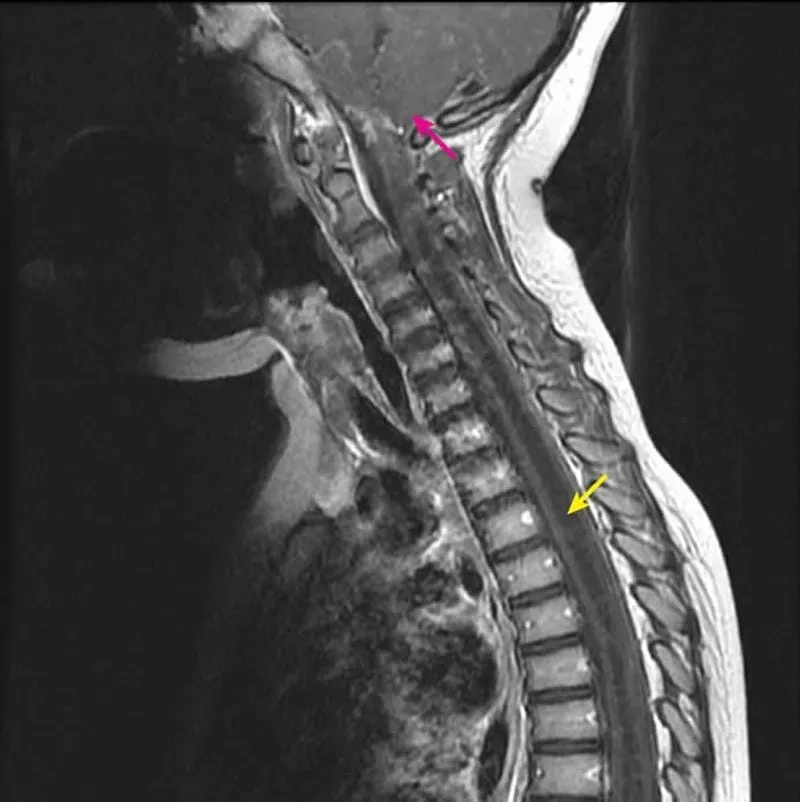
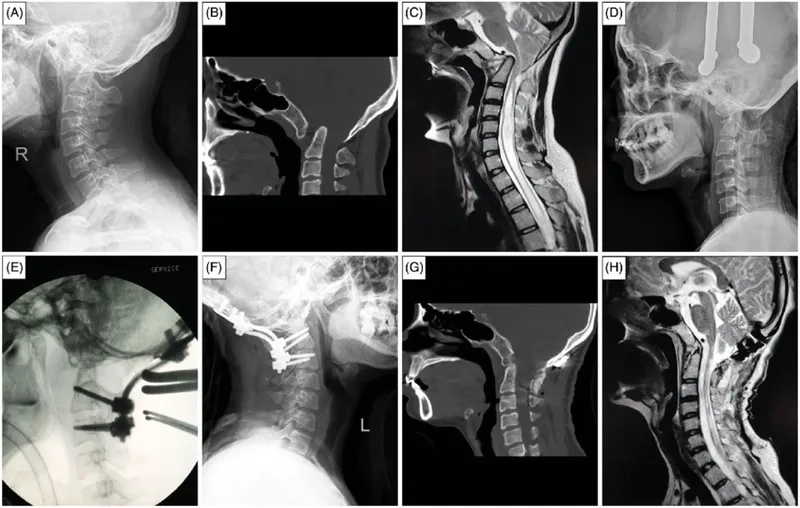
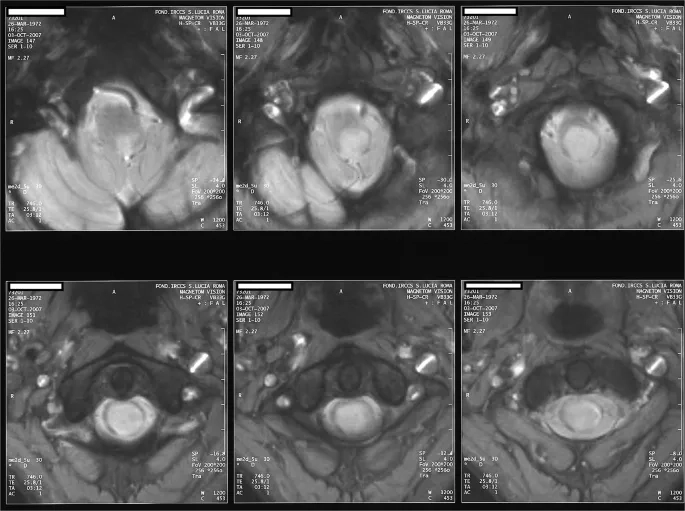
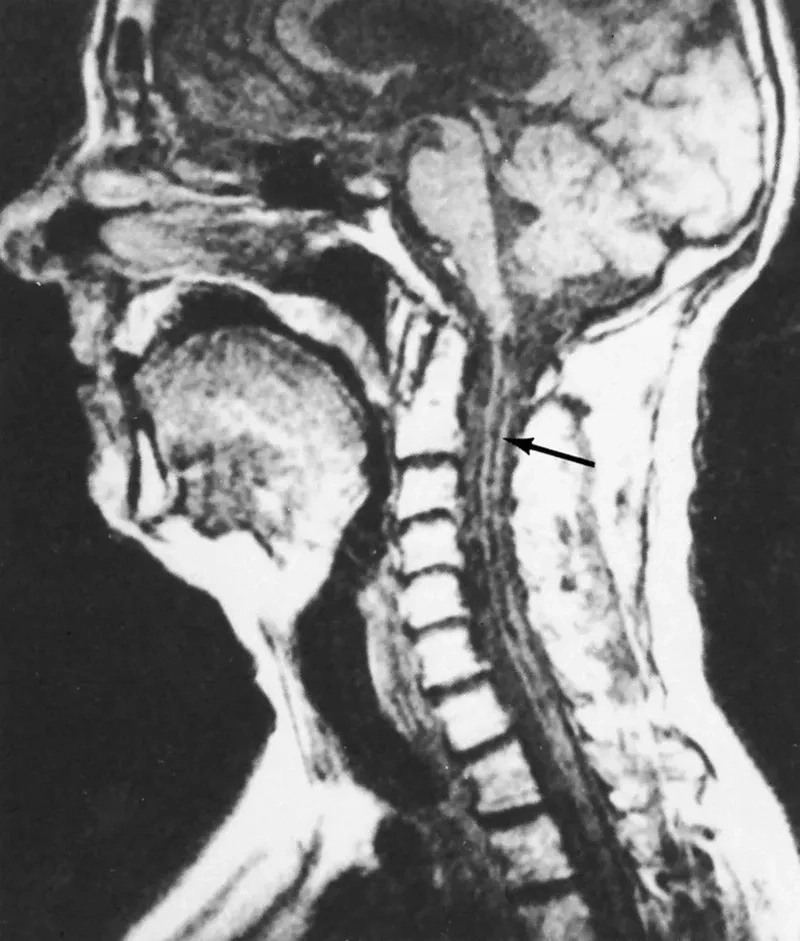
The top Syringomyelia images everyone is searching for


>>> Add more knowledge: Tourette syndrome - Understanding the reality behind the tics
Understanding what is syringomyelia is crucial for early diagnosis and intervention. If you are experiencing progressive neurological symptoms, consult a neurologist or neurosurgeon for a comprehensive evaluation and to discuss your treatment options.
>>> Read to understand more: Narcolepsy - Managing daytime sleepiness and cataplexy