
Sudden, severe facial pain can be debilitating. Don't suffer in silence. Understanding trigeminal neuralgia is the critical first step to getting a proper diagnosis, finding effective pain relief, and reclaiming your life from this condition.
What are the main causes of Trigeminal Neuralgia?
- The most common cause is a blood vessel pressing on the trigeminal nerve at the base of the brain, wearing away its protective coating.
- Aging is a significant risk factor, as the condition is more likely to occur in people over 50 due to natural changes in blood vessels.
- In some cases, it can be caused by a tumor, a cyst, or an underlying condition like multiple sclerosis that damages the nerve's myelin sheath.
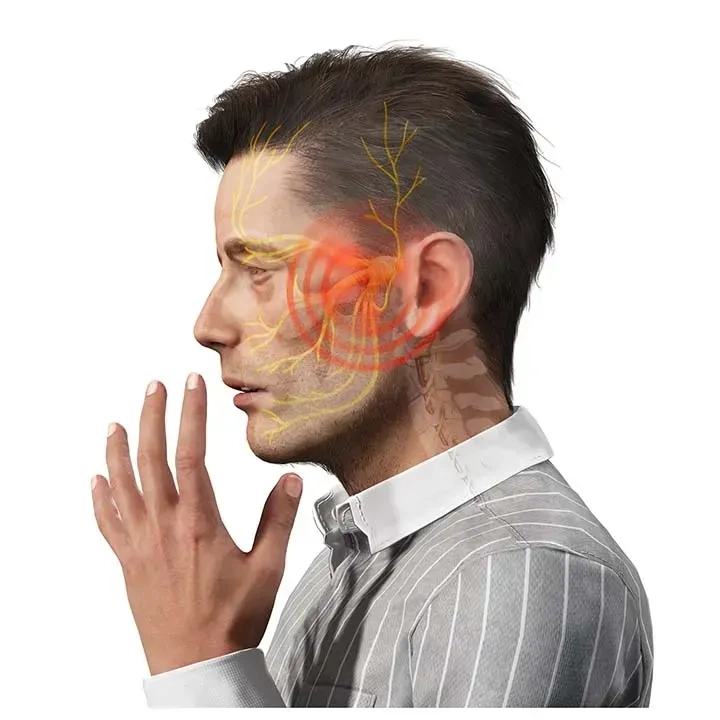
Key symptoms of Trigeminal Neuralgia to watch for
- The hallmark symptom is sudden, severe, shock-like, or stabbing facial pain, which typically occurs on just one side of the face and lasts seconds.
- These intense attacks of pain can be triggered by simple, everyday activities like chewing, speaking, smiling, or even a light breeze touching the face.
- A key characteristic of the condition is that the pain often comes and goes, with periods of remission that can last for months or years.
How can you prevent Trigeminal Neuralgia effectively?
- Since the primary cause is often related to aging or nerve compression, there are no specific methods to prevent trigeminal neuralgia from developing.
- Preventing attacks involves identifying and avoiding personal pain triggers, such as exposure to cold wind or eating foods that require extensive chewing.
- The most effective prevention against worsening pain and decreased quality of life is seeking prompt medical evaluation for an accurate diagnosis and treatment plan.
>>> See more: Carpal tunnel syndrome (chronic) - When wrist pain won't go away
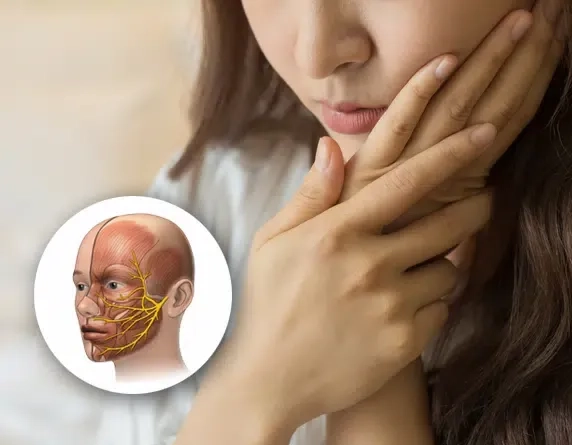
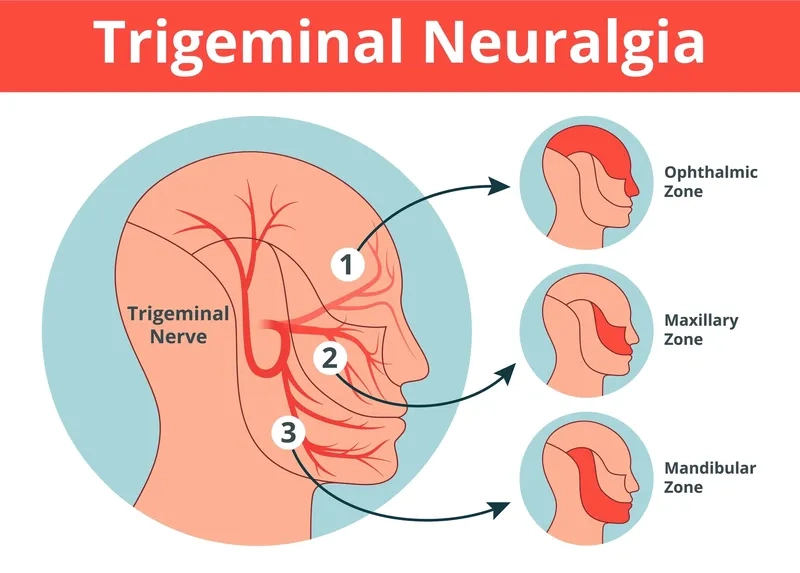
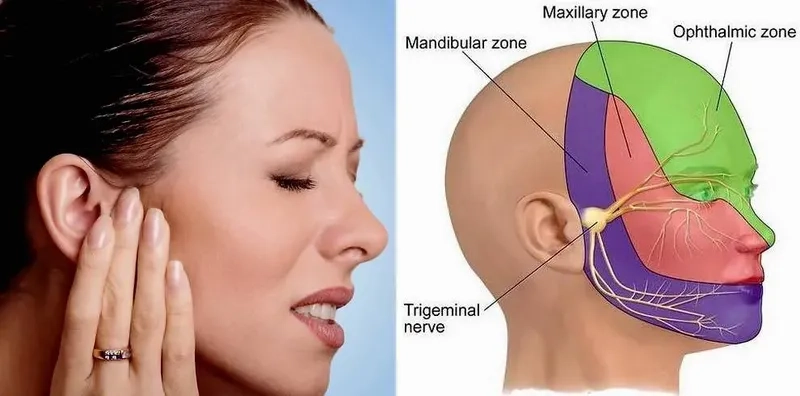
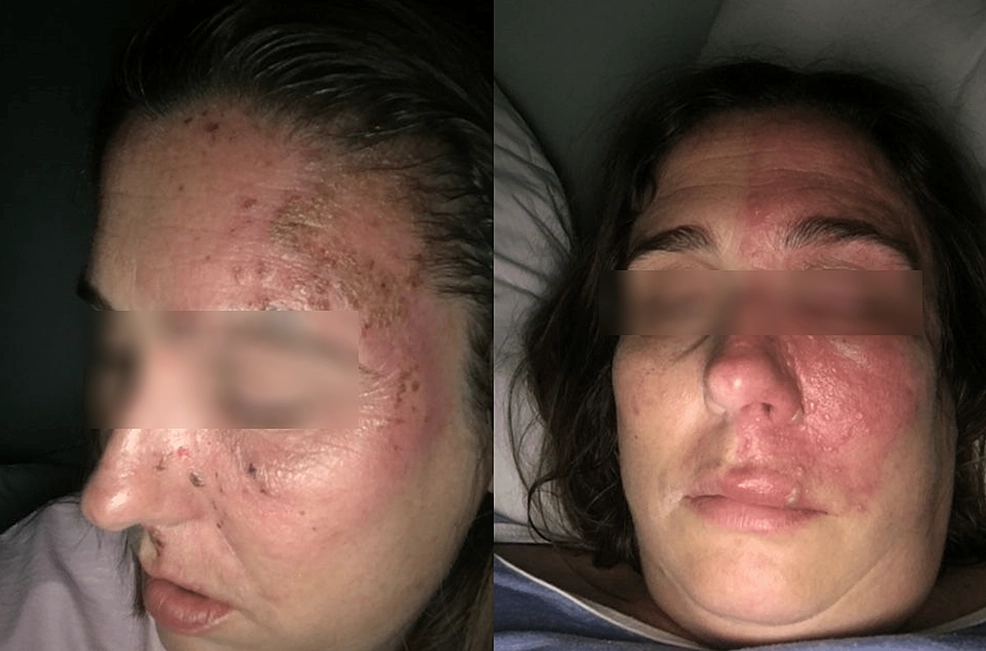
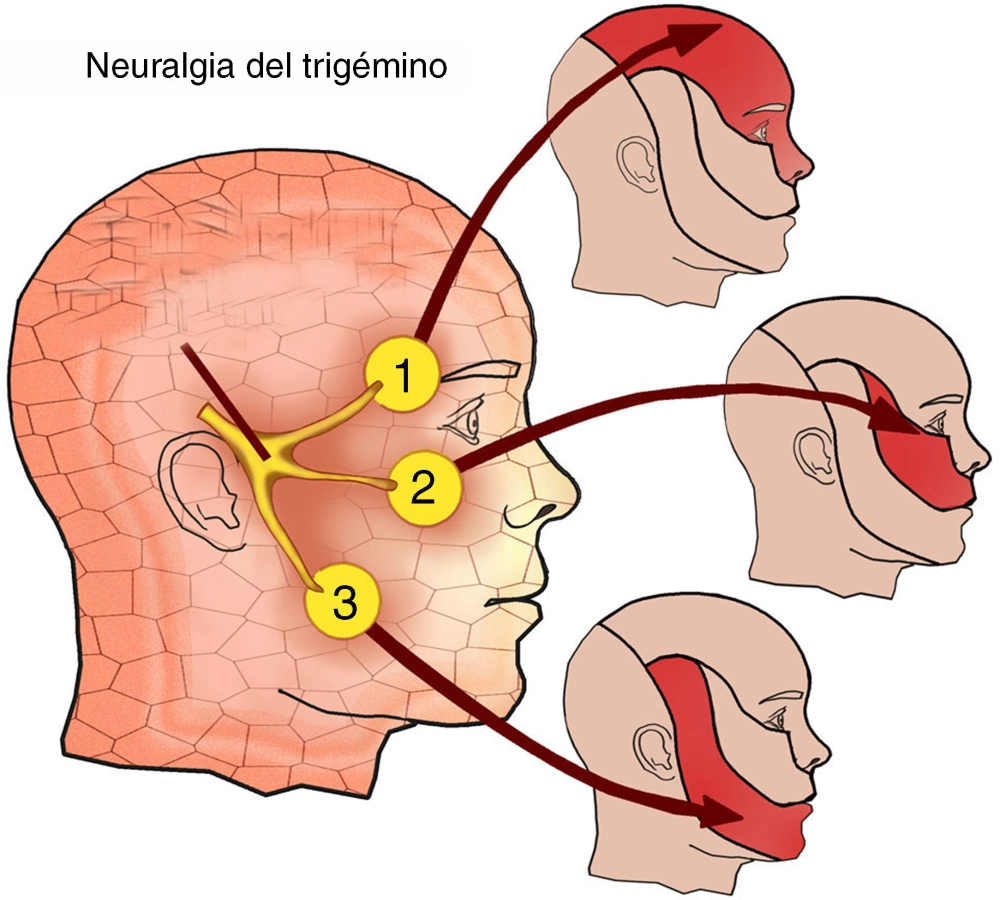
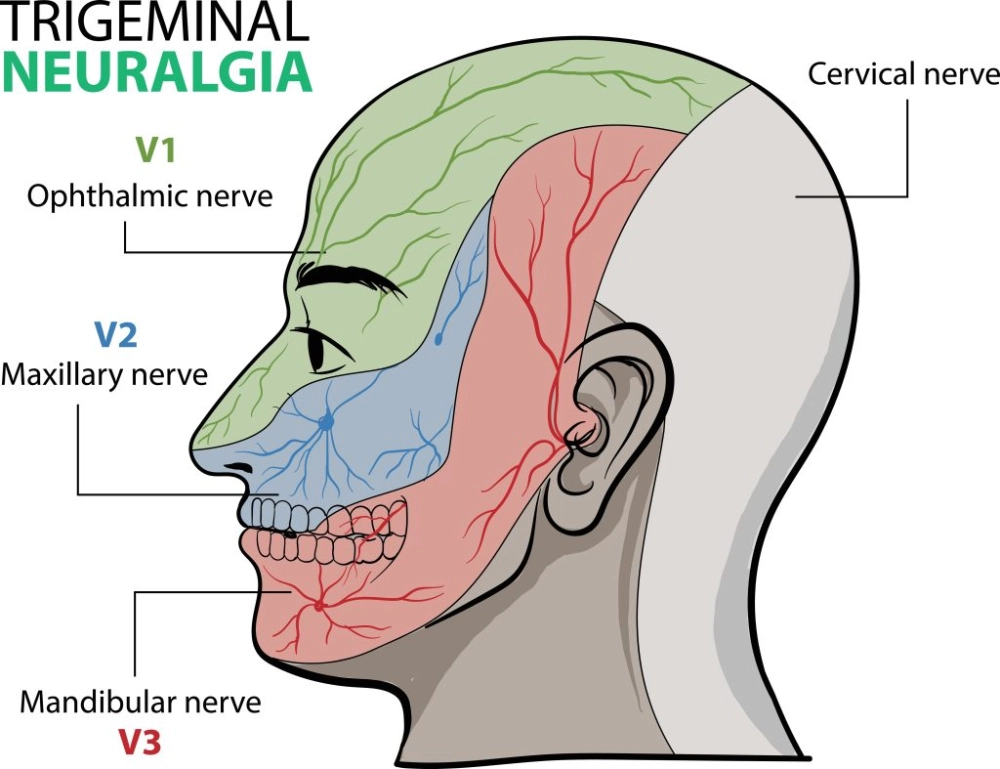
The top Trigeminal Neuralgia images everyone is searching for


>>> Read to understand more: Plantar fasciitis (chronic) - Effective long-term solutions
Living with trigeminal neuralgia is challenging, but effective treatments are available. Consult a neurologist to discuss options, from medications like carbamazepine to procedures like microvascular decompression, and find the right path to relief.
>>> Update more information: Paget's disease of bone - Abnormal bone remodeling explained