
Noticing developmental delays in a child can be concerning for any parent. Understanding cerebral palsy is the first step toward early intervention and support. Don't wait for answers—learn the essential facts about this common motor disability now.
What are the main causes of Cerebral Palsy?
- What is cerebral palsy? It is a group of neurological disorders that affect movement, muscle tone, and posture, appearing in infancy or early childhood.
- The primary causes of cerebral palsy involve abnormal brain development or damage to the developing brain, often before birth.
- Factors can include gene mutations, maternal infections, fetal stroke, or a brain injury that occurs during or shortly after birth.

Key symptoms of Cerebral Palsy to watch for
- Key cerebral palsy symptoms include variations in muscle tone, such as being either too stiff (spasticity) or too floppy.
- Children may show delays in reaching motor skill milestones, such as rolling over, sitting up, crawling, or walking.
- There are several types of cerebral palsy, with spastic cerebral palsy being the most common, characterized by stiff muscles and awkward movements.
How is Cerebral Palsy managed?
- While there is no cure, a diagnosis allows for early intervention with therapies like physical, occupational, and speech therapy.
- Treatment is lifelong and aims to improve function and independence with the help of medications, assistive devices, and sometimes surgery.
- With proper care, the cerebral palsy life expectancy can be normal or near-normal, allowing for a full and productive life.
>>> Add more knowledge: Tourette syndrome - Understanding the reality behind the tics
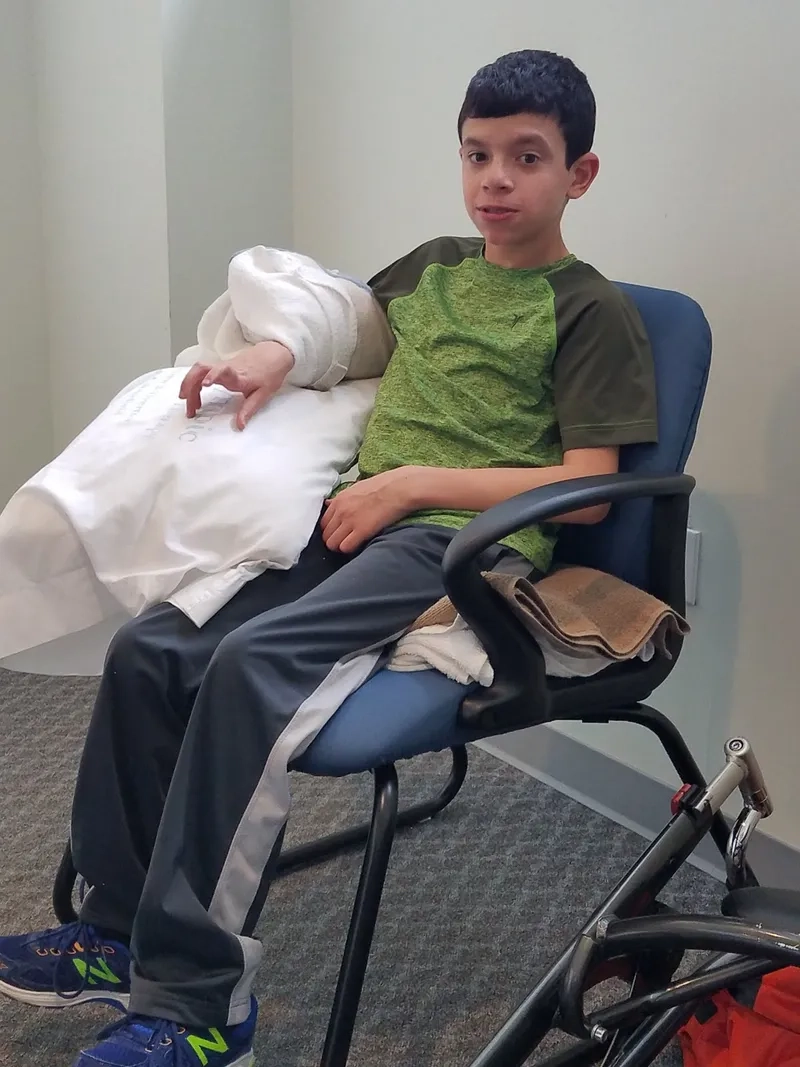
The most searched Cerebral Palsy images






>>> Read to understand more: Narcolepsy - Managing daytime sleepiness and cataplexy
Early diagnosis of cerebral palsy is crucial for a child's development and long-term well-being. If you have concerns about your child's development, speak with a pediatrician for an evaluation and guidance.
>>> Update more information: Restless legs syndrome - Finding relief for that creepy-crawly feeling