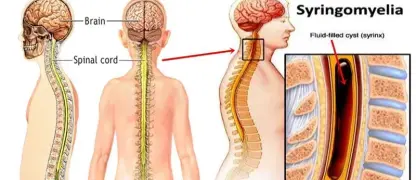

Understanding muscular dystrophy is crucial for early detection and management. Don't wait to learn the vital information about this group of genetic diseases. This guide provides the expert insights you need to recognize the signs and understand the underlying causes.
What are the main causes of Muscular Dystrophy?
- This condition is caused by mutations in the genes responsible for producing proteins that are essential for building and maintaining healthy muscle structure.
- The absence or insufficiency of these crucial proteins, such as dystrophin, leads to progressive muscle fiber damage and weakness over time.
- These genetic defects are most often inherited from one or both parents, though they can sometimes occur spontaneously as a new mutation.
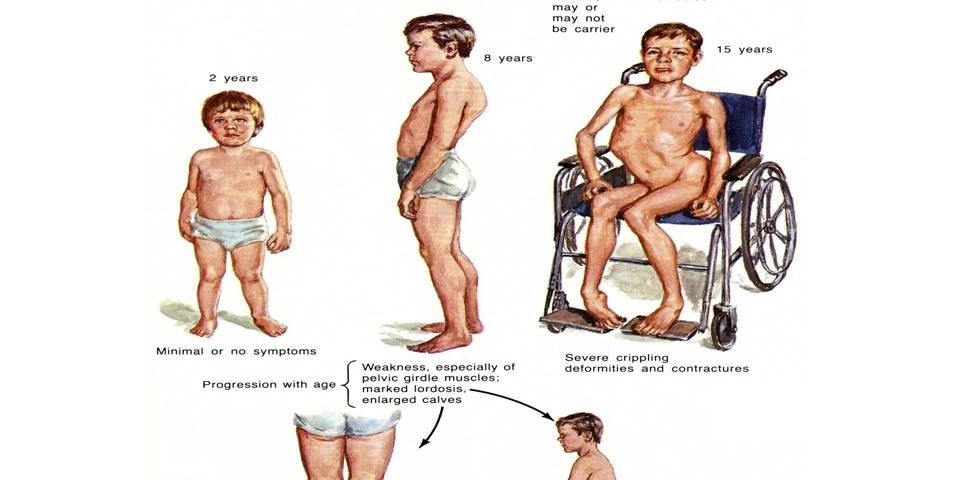
Key symptoms of Muscular Dystrophy to watch for
- The most prominent symptom is progressive muscle weakness that can affect mobility, posture, and the ability to perform everyday physical tasks.
- Many individuals experience frequent falls, difficulty rising from a lying or sitting position, and trouble with running and jumping due to weakened leg muscles.
- Some types of muscular dystrophy can eventually affect the heart and respiratory muscles, leading to more severe and life-threatening health complications.
How can you prevent Muscular Dystrophy effectively?
- As a genetic disorder, muscular dystrophy cannot be prevented, but genetic counseling can help prospective parents understand their risk of passing it on.
- For families with a known history of the condition, prenatal testing options may be available to diagnose the genetic mutation before birth.
- Early diagnosis and proactive management, including physical therapy, can help prevent or delay severe complications and improve overall quality of life.
>>> Add more knowledge: Restless legs syndrome - Finding relief for that creepy-crawly feeling
Visualizing Muscular Dystrophy


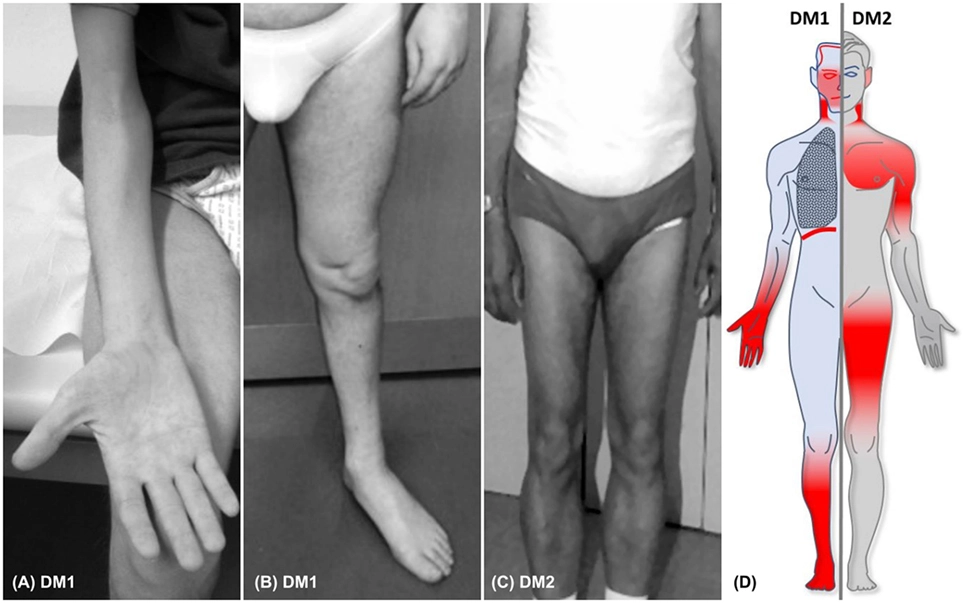

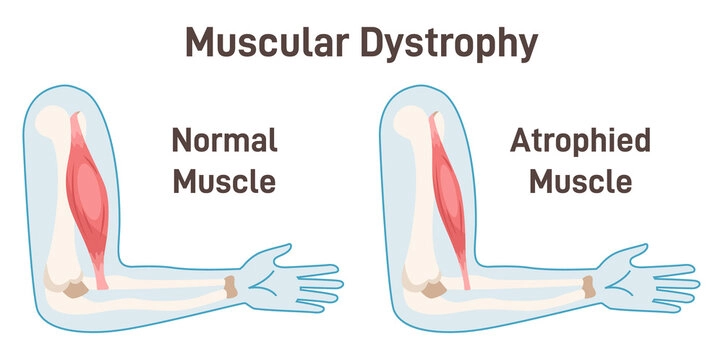

>>> Add more knowledge: Cerebral palsy - A guide to the types and lifelong management
While there is no cure for muscular dystrophy, understanding the disease is the first step toward effective management. If you recognize these symptoms, consulting a healthcare professional is crucial for an accurate diagnosis and a comprehensive care plan.
>>> Add more knowledge: Spina bifida - Understanding this birth defect of the spine