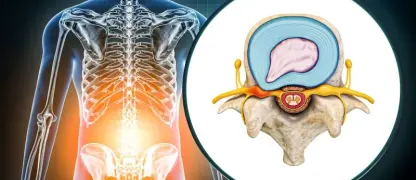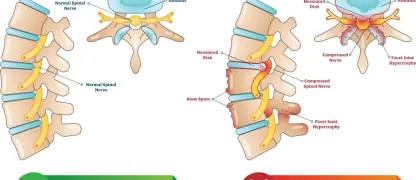
Understanding scoliosis is the first step to managing it. Don't miss our expert guide on identifying symptoms and exploring the most effective treatment options available today to improve your spinal health.
What are the main causes of Scoliosis?
- The most common type is idiopathic scoliosis, which accounts for about 80% of cases and has no specific identifiable cause, often appearing during adolescence.
- Congenital scoliosis results from spinal bones that are malformed before birth, causing a curve to develop as the child grows from infancy.
- Neuromuscular scoliosis is caused by underlying conditions like cerebral palsy or muscular dystrophy, which affect the muscles and nerves supporting the spine.

Key symptoms of Scoliosis to watch for
- A key symptom is having uneven shoulders, with one shoulder blade appearing more prominent or higher than the other one when standing straight.
- There may be an uneven waistline or one hip that appears higher than the other, causing clothes to hang unevenly on the body.
- When bending forward from the waist, a noticeable rib hump or prominence on one side of the back is a classic sign of scoliosis.
How can you prevent Scoliosis effectively?
- True prevention is not possible, but early screening and detection are key to managing the curve and preventing its progression, especially in adolescents.
- Specific scoliosis exercises prescribed by a physical therapist can help strengthen core muscles, improve posture, and potentially slow the curve's advancement.
- For growing children with moderate curves, wearing a scoliosis brace as prescribed is a non-surgical method used to halt the progression of the curve.
>>> Learn more: Celiac disease - More than just a gluten sensitivity
The top Scoliosis images everyone is searching for


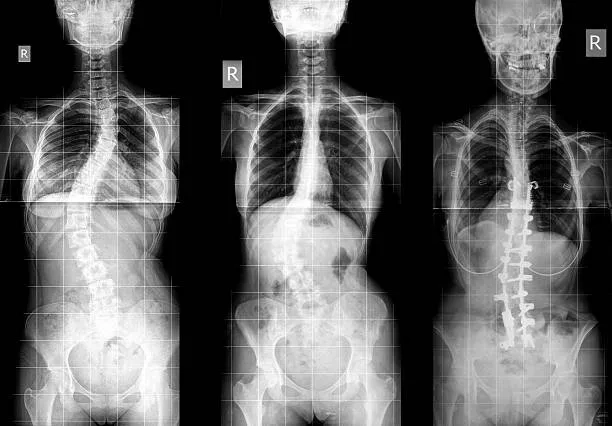
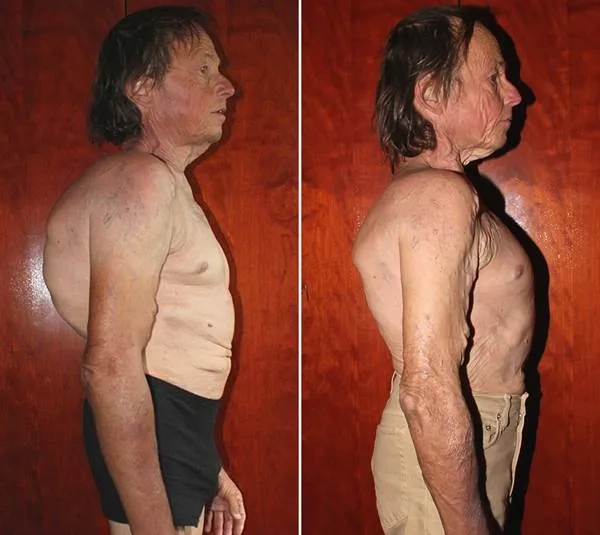


>>> Learn more: Dermatomyositis - The link between skin rashes and muscle weakness
Early intervention is key to managing scoliosis effectively. If you notice any signs, consult a healthcare professional for an accurate diagnosis and a personalized treatment plan. Take action for your spinal health today.
>>> Add more knowledge: Polymyositis - A guide to this rare inflammatory muscle disease