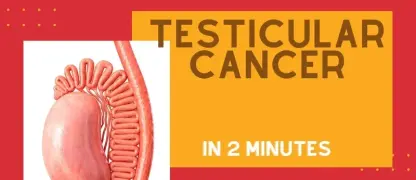

Early detection dramatically improves the prostate cancer survival rate. Knowing the signs and your personal risk factors is the first and most powerful step in protecting your long-term health. Don't wait to get informed.
What are the main causes of Prostate Cancer?
- What is prostate cancer? It is a disease where malignant (cancer) cells form in the tissues of the prostate, a small gland in the male reproductive system.
- The exact cause is unknown, but major risk factors include advancing age, a family history of the disease, and certain inherited genetic mutations.
- Lifestyle factors, such as a diet high in red meat and low in fruits and vegetables, may also play a role in increasing a man's risk.

Key symptoms of Prostate Cancer to watch for
- Early prostate cancer symptoms are rare, but some men may experience trouble urinating, a weak urine stream, or an increased need to urinate at night.
- Other signs of prostate cancer can include blood in the urine or semen, new onset of erectile dysfunction, and discomfort in the pelvic area.
- Advanced prostate cancer symptoms may include bone pain in the hips or spine, unexplained weight loss, and fatigue as the cancer spreads.
How can you prevent Prostate Cancer effectively?
- While not entirely preventable, you can lower your risk by maintaining a healthy weight, exercising regularly, and eating a nutritious, balanced diet.
- A prostate cancer diagnosis often involves checking PSA levels in the blood and may include a biopsy to determine the Gleason score.
- Prostate cancer treatment options are highly dependent on the prostate cancer stages and may include active surveillance, surgery, or radiation therapy.
>>> Details at: Varicose veins – causes, symptoms and care
Image of the disease Prostate Cancer - Gleason Score Chart


>>> Learn now: Lung cancer – symptoms, stages and treatment
Regular check-ups and open conversations with your doctor about screening are vital, especially if you have risk factors. Take proactive control of your health by starting that conversation.
>>> Don't miss: Breast cancer – risks, symptoms and care