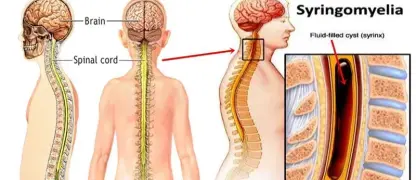

The dangers of repeated head injuries are more serious than you might think, potentially leading to Chronic Traumatic Encephalopathy (CTE). Understanding this neurodegenerative disease is crucial for athletes, veterans, and their families. Don't ignore the risks; get the facts about CTE causes and symptoms now.
What are the main causes of Chronic Traumatic Encephalopathy?
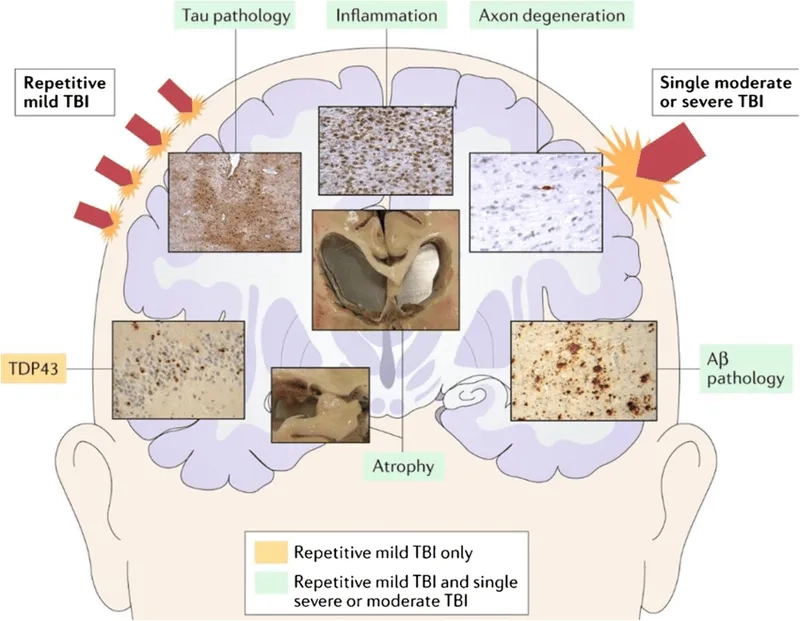
- The primary answer to what causes CTE is repetitive head trauma, including both concussive and sub-concussive impacts, sustained over many years of exposure.
- This condition is most commonly found in athletes participating in contact sports like football and boxing, as well as in military personnel with combat exposure.
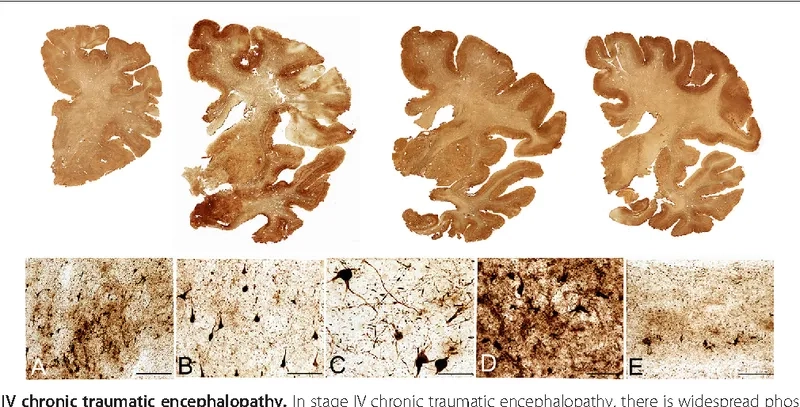
- The accumulation of an abnormal protein called tau forms clumps that slowly spread throughout the brain, killing brain cells and leading to progressive decline.
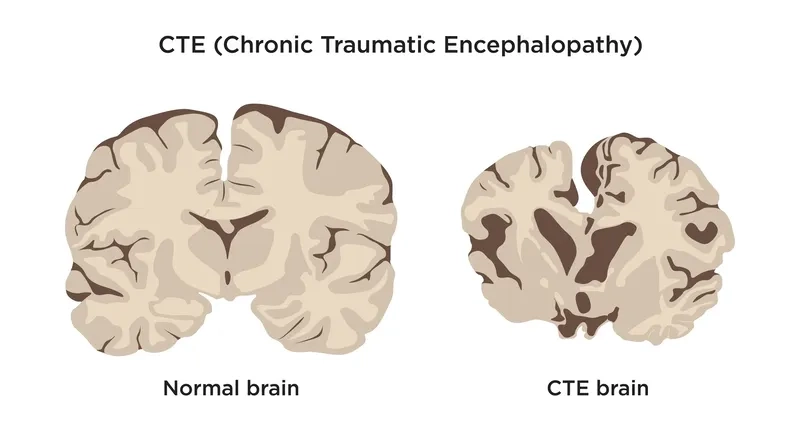
Key symptoms of Chronic Traumatic Encephalopathy to watch for
- Early CTE symptoms can include behavioral changes, such as impulsivity, depression, mood swings, and paranoia, which may appear years after the head trauma occurred.
- As the disease progresses, cognitive impairment becomes more pronounced, with individuals experiencing significant memory loss, confusion, and impaired judgment, which can resemble Alzheimer's disease.
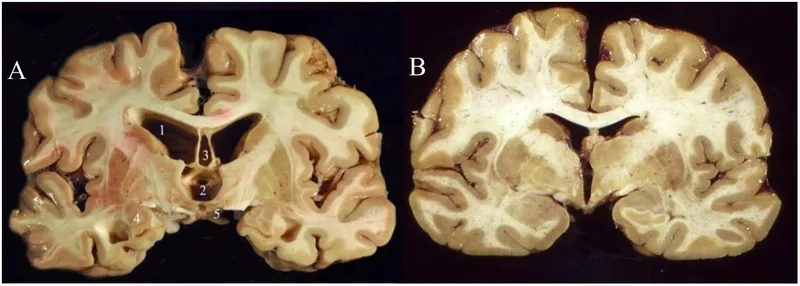
- In later stages, motor symptoms may develop, including tremors, slowed movement (parkinsonism), and difficulty with speech and swallowing, reflecting widespread brain damage.
How can you prevent Chronic Traumatic Encephalopathy effectively?
- The most effective prevention strategy is to reduce exposure to repetitive head impacts by implementing and enforcing stricter safety rules and protocols in contact sports.
- Promoting proper concussion management, which includes immediate removal from play and adequate recovery time, is critical to minimizing the long-term risks associated with head injuries.
- Increasing awareness among athletes, coaches, and parents about the long-term dangers of head trauma can encourage safer playing techniques and foster a culture of brain safety.
>>> Add more knowledge: Tourette syndrome - Understanding the reality behind the tics
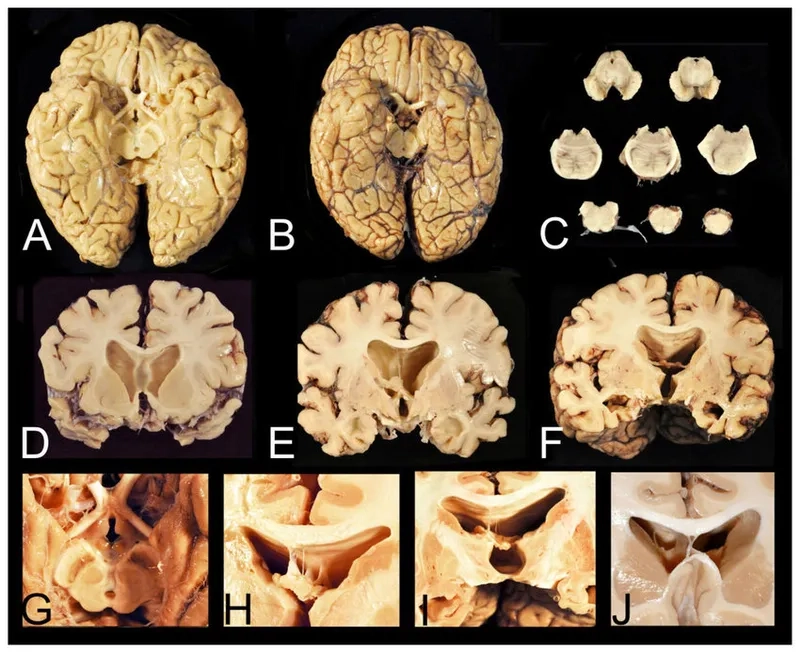
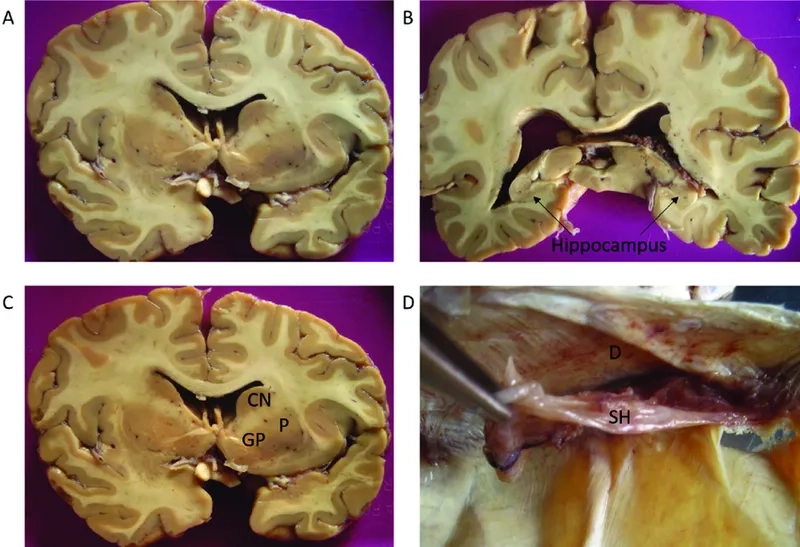
Visualizing concepts related to CTE
>>> Add more knowledge: Restless legs syndrome - Finding relief for that creepy-crawly feeling
Awareness and research are key to combating Chronic Traumatic Encephalopathy. By prioritizing brain safety and supporting research, we can protect future generations. If you are concerned about repeated head trauma, speak with a healthcare professional about the potential risks.
>>> Understand more: Cerebral palsy - A guide to the types and lifelong management