

Truncus Arteriosus is a rare congenital heart defect that affects newborns. Early detection and proper treatment can improve outcomes and save lives.
What are the main causes of truncus arteriosus?
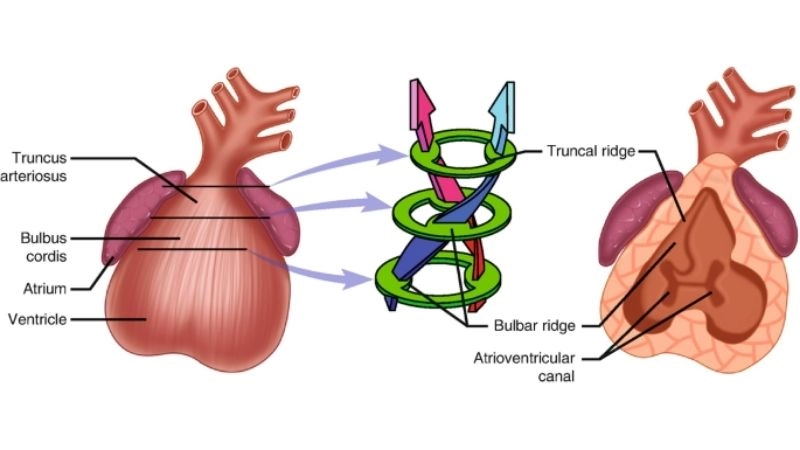
- A genetic mutation affecting heart development during pregnancy can lead to truncus arteriosus, altering the structure of the major blood vessels.
- Maternal health conditions, such as poorly controlled diabetes or viral infections, may significantly increase the risk of this congenital heart defect.
- Environmental exposures, including certain medications or alcohol during pregnancy, can disrupt normal fetal cardiac development and contribute to truncus arteriosus.
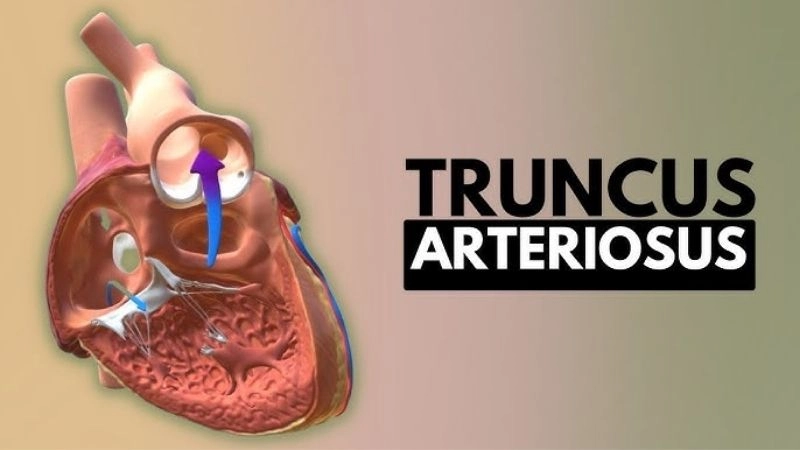
Truncus arteriosus symptoms and early warning signs
>>> Discover more: Tricuspid Atresia symptoms in infant and early warning signs
Key symptoms of truncus arteriosus to watch for
- Infants may present with bluish skin color (cyanosis) due to poor oxygen circulation, signaling an urgent congenital heart defect needing immediate evaluation.
- Rapid breathing, shortness of breath, or frequent respiratory infections are common signs indicating truncus arteriosus and require prompt medical attention.
- Poor feeding and inadequate weight gain in newborns are frequent early warning signs that may point toward an underlying heart defect.
How can you prevent truncus arteriosus effectively?
- Maintaining optimal maternal health before and during pregnancy, including controlling diabetes and avoiding harmful exposures, lowers the risk of congenital defects.
- Prenatal care with regular ultrasounds and genetic counseling helps detect potential abnormalities early, allowing for informed decisions and timely medical interventions.
- Avoiding alcohol, smoking, and unsafe medications during pregnancy significantly decreases the likelihood of truncus arteriosus and other congenital heart issues.
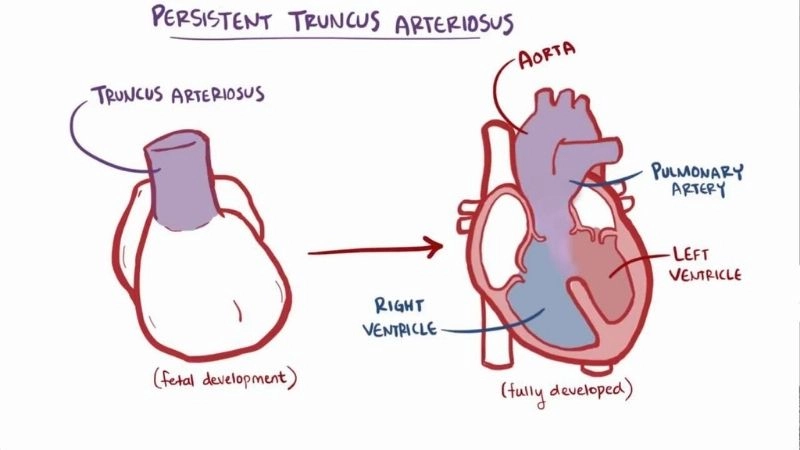
Truncus arteriosus surgery procedures and recovery guide
>>> Discover more: Aortic Valve Atresia risk factors and early detection tips
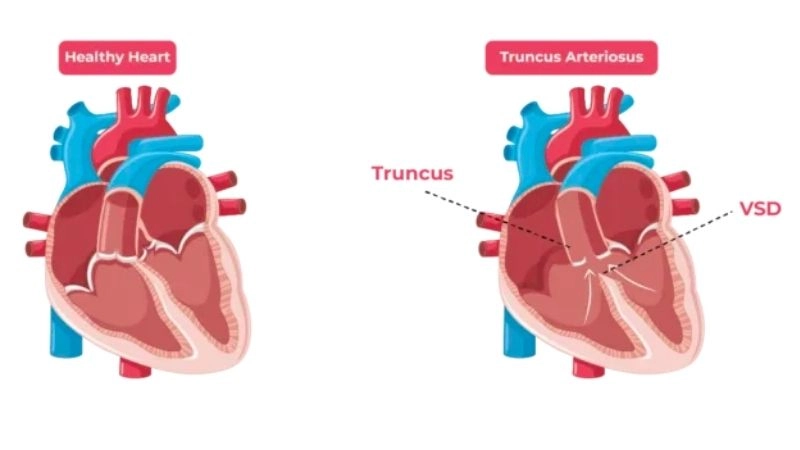
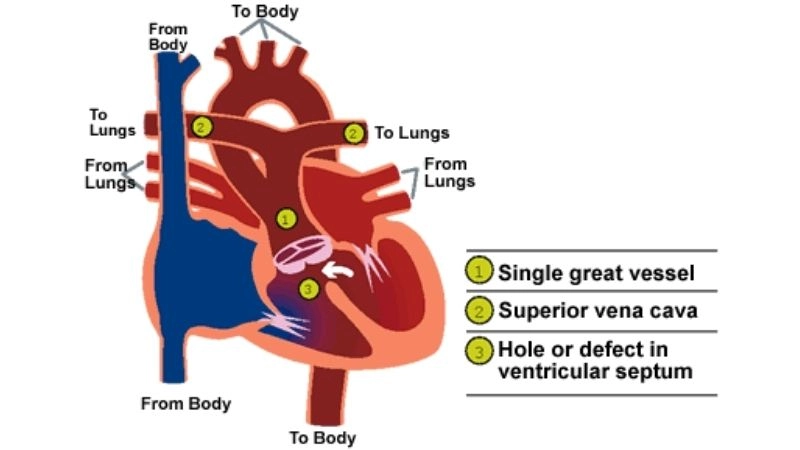
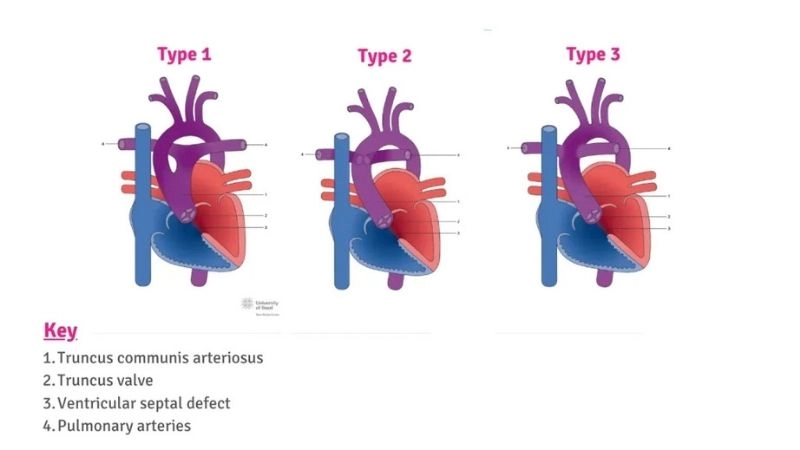
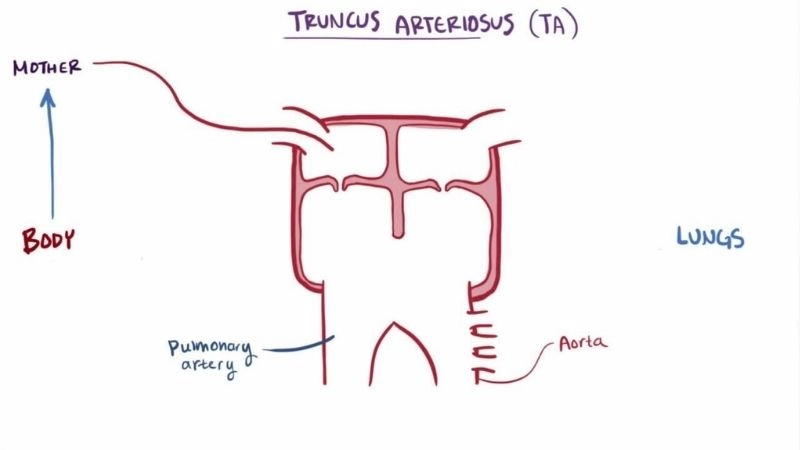
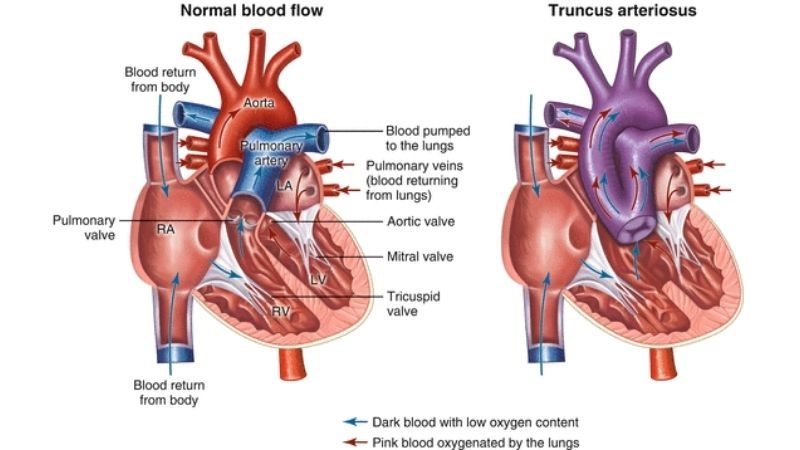
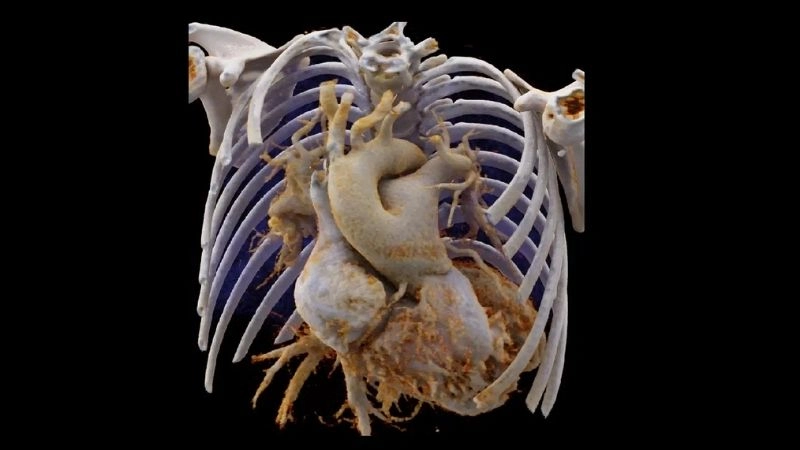
Images visual examples of truncus arteriosus
Truncus arteriosus is a rare congenital heart defect where a single blood vessel arises from the heart instead of two separate arteries, causing mixed oxygen-rich and oxygen-poor blood.
>>> Discover more: How doctors Diagnose Ebstein's Anomaly early and clearly
With proper care and timely surgery, children with Truncus Arteriosus can lead healthier lives. Awareness and treatment options are crucial for families.