
Though eradicated, smallpox holds vital public health lessons. Understanding this historic disease is key to appreciating why global health initiatives and vaccination programs are so important for our future.
What are the main causes of Smallpox?
- Smallpox is caused by the variola virus, spreading primarily through prolonged, face-to-face contact with an infected person via their respiratory droplets.
- The virus can also be transmitted via direct contact with infected bodily fluids or contaminated objects like bedding, clothing, or shared utensils.
- Unlike some viruses, smallpox has no animal hosts; it only spreads between humans, a key factor that made its global eradication campaign successful.
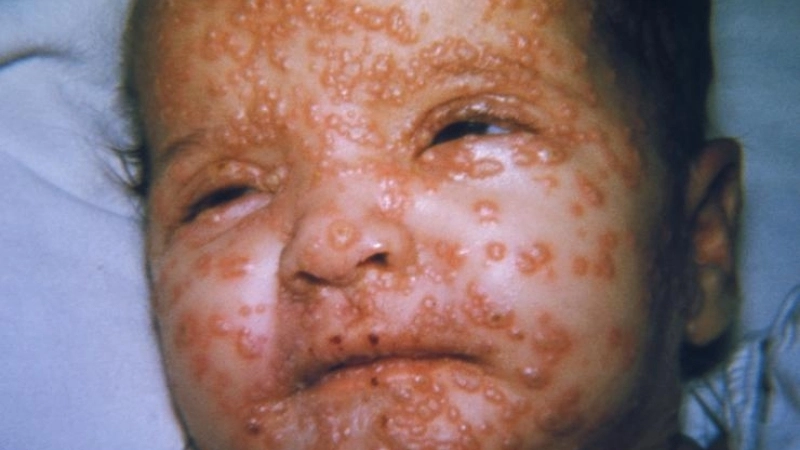
Key symptoms of Smallpox to watch for
- Initial symptoms are flu-like, including high fever, fatigue, and severe body aches, which appear about 7 to 17 days after initial virus exposure.
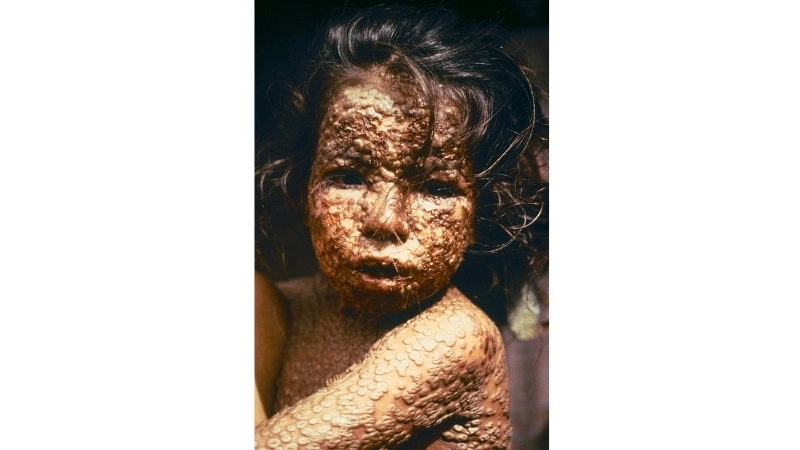
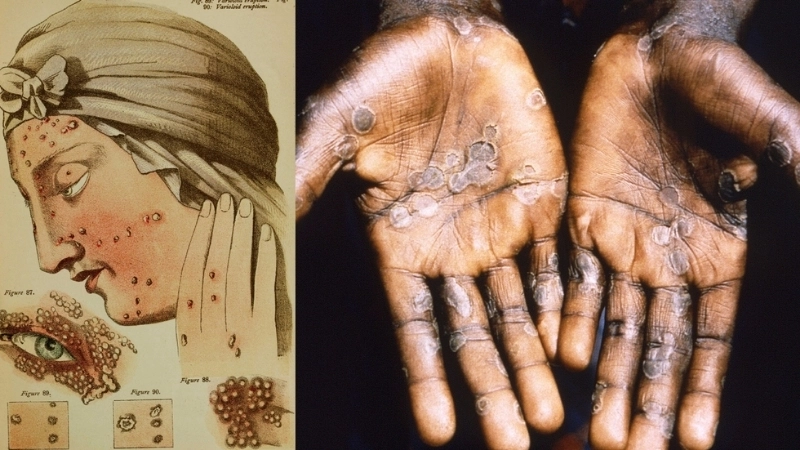
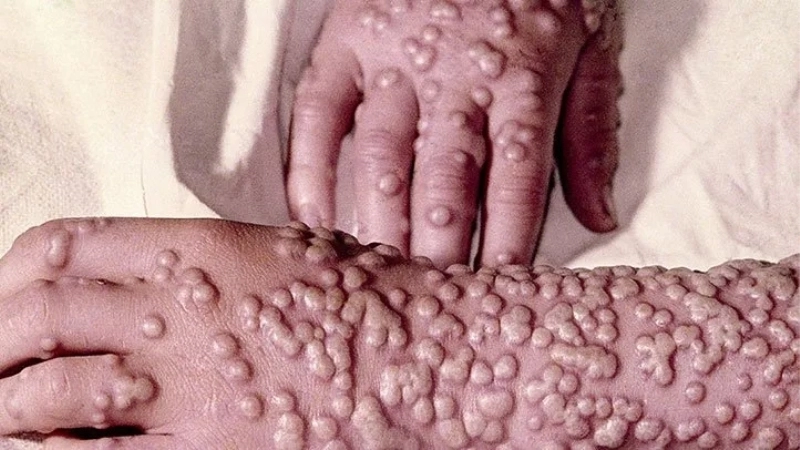
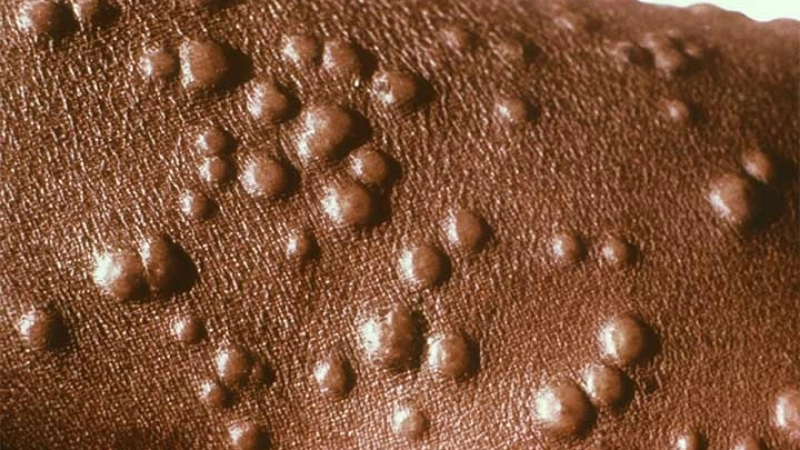
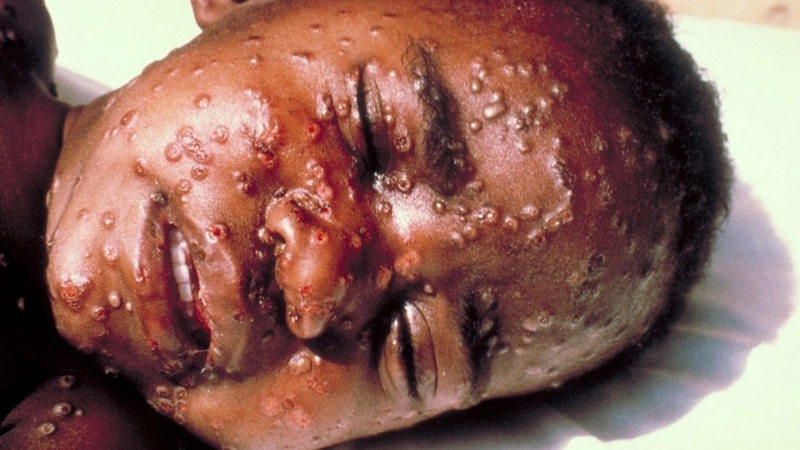
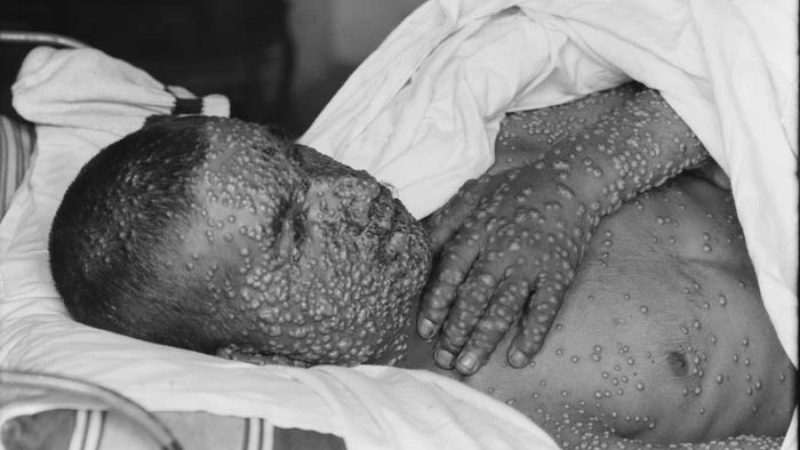
- A distinctive rash emerges, starting in the mouth and spreading to the body, progressing from flat spots to firm, pus-filled blisters (pustules).
- These pustules eventually form scabs which fall off after three weeks, often leaving deep, pitted scars, particularly on the face and limbs.
How can you prevent Smallpox effectively?
- The most effective prevention is the smallpox vaccine, which was the primary tool used in the successful global campaign to eradicate the disease.
- Routine public vaccination stopped after eradication in 1980, so general population immunity has waned, making preparedness crucial for any potential future threats.
- In an outbreak, rapid identification, isolation of the sick, and targeted "ring" vaccination of contacts would be the primary containment strategies used.
>>> Details at: Legionnaires' Disease: Could It Be in Your Water System?
Microscopic images of smallpox
>>> See details: Measles Outbreaks: How to Spot the Signs & Protect Your Family
Understanding smallpox is vital for public health preparedness. Its legacy proves the power of vaccines. For trusted information, always consult official health organizations like the World Health Organization (WHO).
>>> Read more here: Whooping Cough: Is Your Vaccine Up to Date for Pertussis?