

A tiny sand fly bite can lead to a serious parasitic infection. Don't underestimate the risk of Leishmaniasis. This guide provides the critical information you need to recognize the signs and protect yourself effectively from this threat.
What are the main causes of Leishmaniasis?
- The disease is caused by the Leishmania protozoan parasite, which is transmitted to humans through the bite of an infected female phlebotomine sand fly.
- Sand flies become infected when they feed on the blood of an infected animal, such as a rodent or dog, or an infected human host.
- The parasites live and multiply within the sand fly, which then injects them into a new host's skin during its next blood meal.
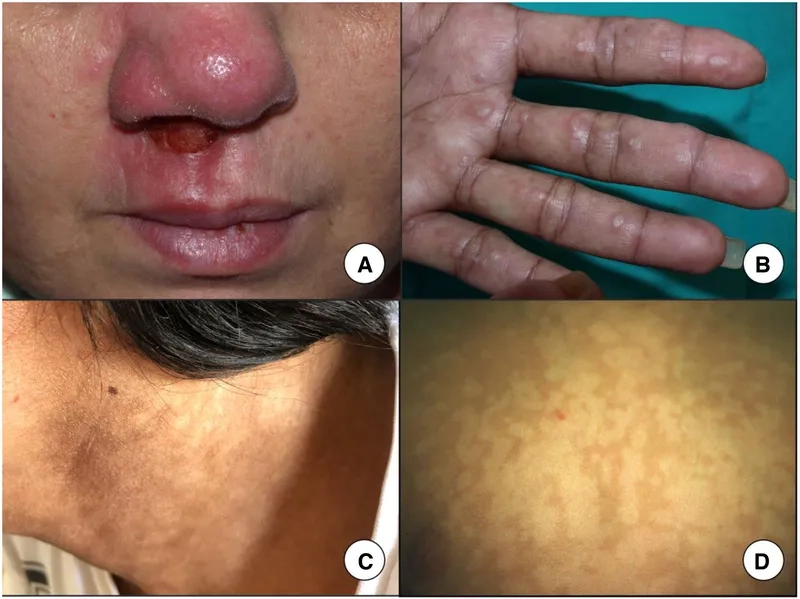
Key symptoms of Leishmaniasis to watch for
- Cutaneous leishmaniasis, the most common form, causes skin sores that can start as bumps and may develop into painful, slow-healing ulcers.
- The visceral form, known as kala-azar, is severe and affects internal organs, causing prolonged fever, significant weight loss, and spleen and liver enlargement.
- Mucocutaneous leishmaniasis leads to the partial or total destruction of mucous membranes in the nose, mouth, and throat, causing severe disfigurement.
How can you prevent Leishmaniasis effectively?
- Avoid outdoor activities, especially from dusk to dawn, when sand flies are most active, particularly in forested, rural, or humid areas.
- Use an effective insect repellent on exposed skin and wear long-sleeved shirts, long pants, and socks to minimize potential bites.
- Sleep in well-screened rooms or under a fine-mesh bed net, preferably one that has been treated with an insecticide like permethrin.
>>> See more: Lassa Fever: Symptoms, Causes, and Prevention Guide
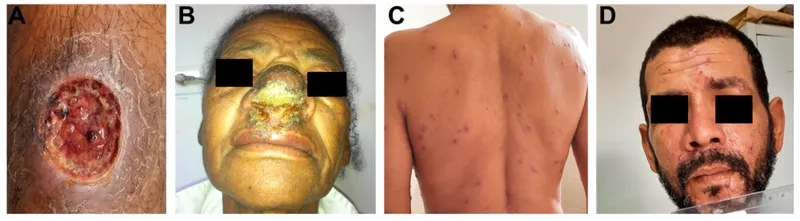
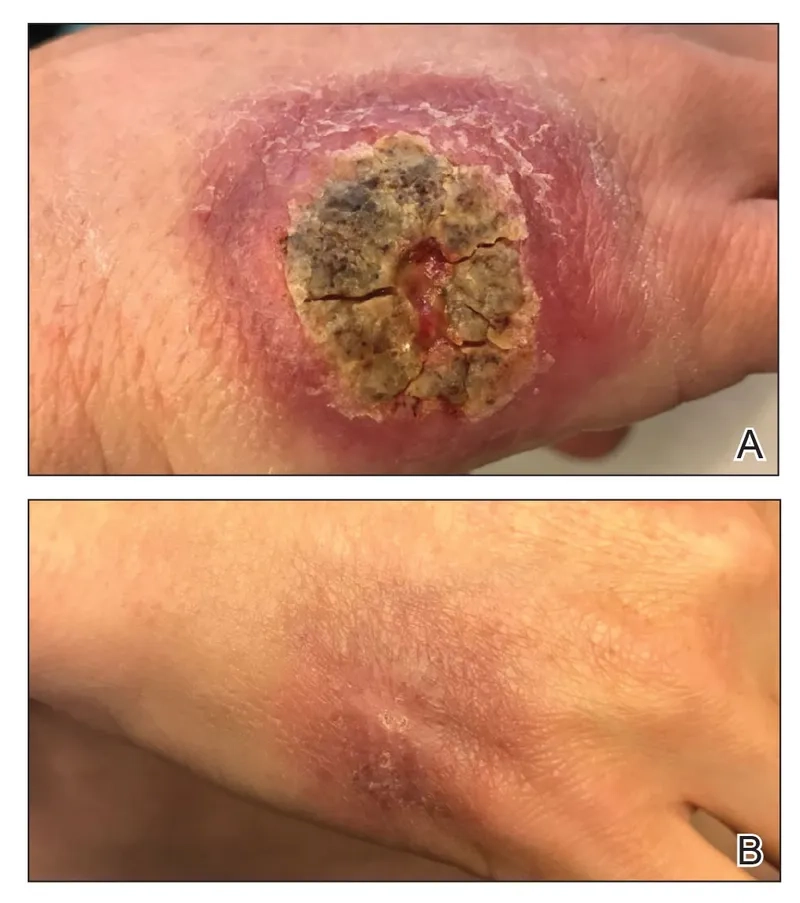
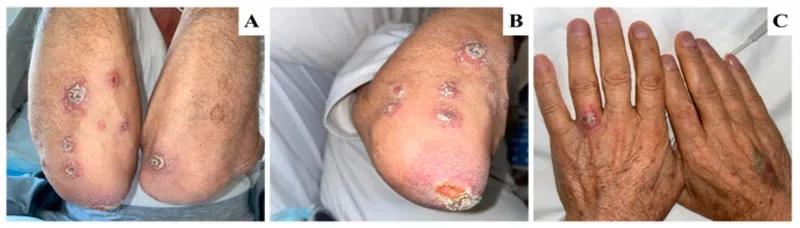
Image of the disease Leishmaniasis
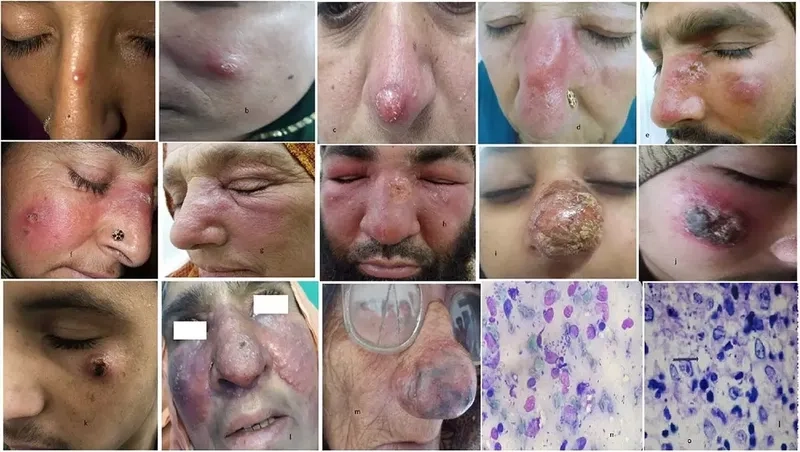
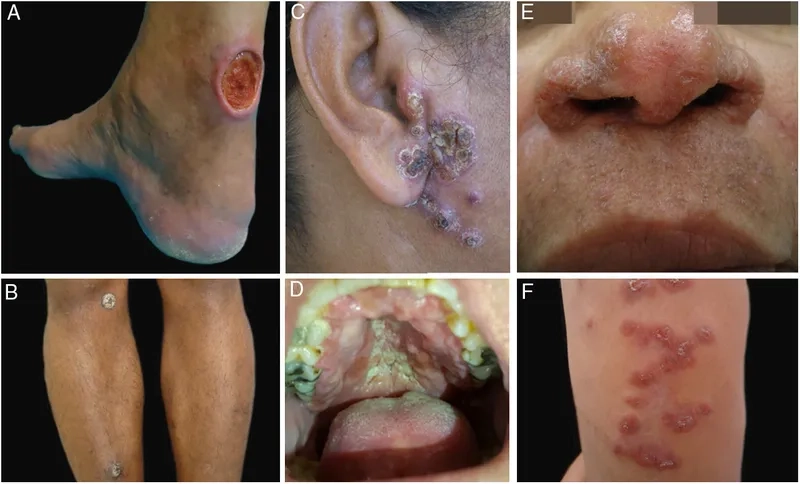
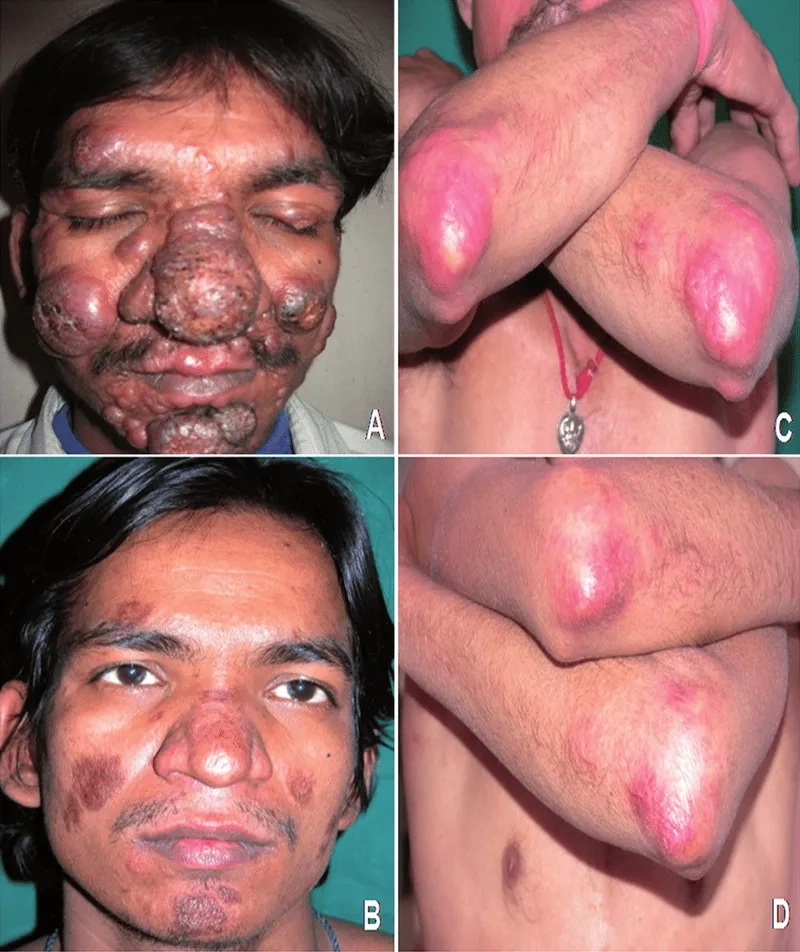
>>> See more: Dengue Fever: Symptoms, Treatment, and Prevention
Knowledge is your strongest defense against Leishmaniasis. By understanding how it spreads and taking these preventative measures, you can travel and live more safely. Always consult a healthcare professional if you suspect any symptoms after exposure.
>>> Read more here: Ehrlichiosis: A Guide to this Tick-Borne Illness


