

Many individuals with Klinefelter syndrome are undiagnosed. Don't let unanswered questions affect your health; understanding the symptoms and seeking a proper diagnosis is the first step toward effective treatment and an improved quality of life.
What are the main causes of Klinefelter Syndrome?
- The primary cause of Klinefelter syndrome is a random genetic error before birth that results in a male being born with an extra X chromosome.
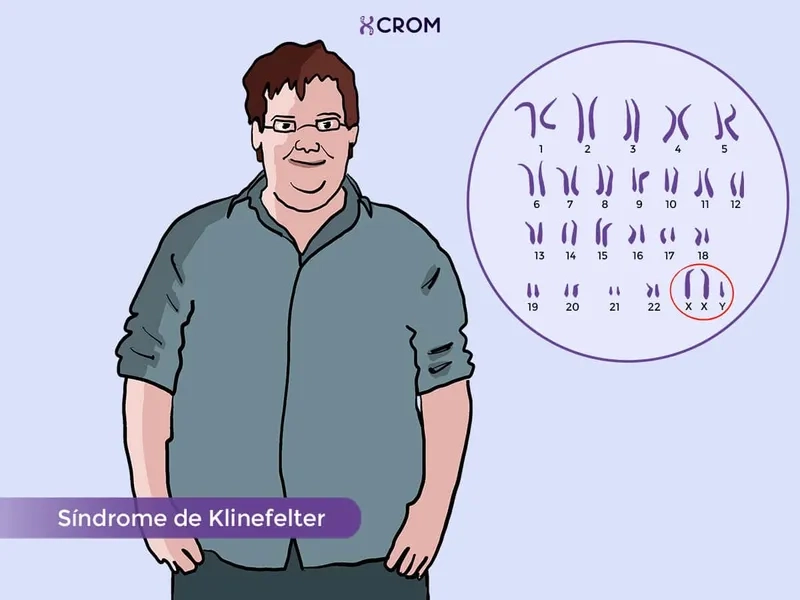
- This means that instead of the typical male XY chromosome pattern, individuals have a Klinefelter syndrome karyotype of 47,XXY in most or all cells.
- This condition is not inherited; Klinefelter syndrome genetics show it is a chance event occurring during the formation of a parent's reproductive cells.

Key symptoms of Klinefelter Syndrome to watch for
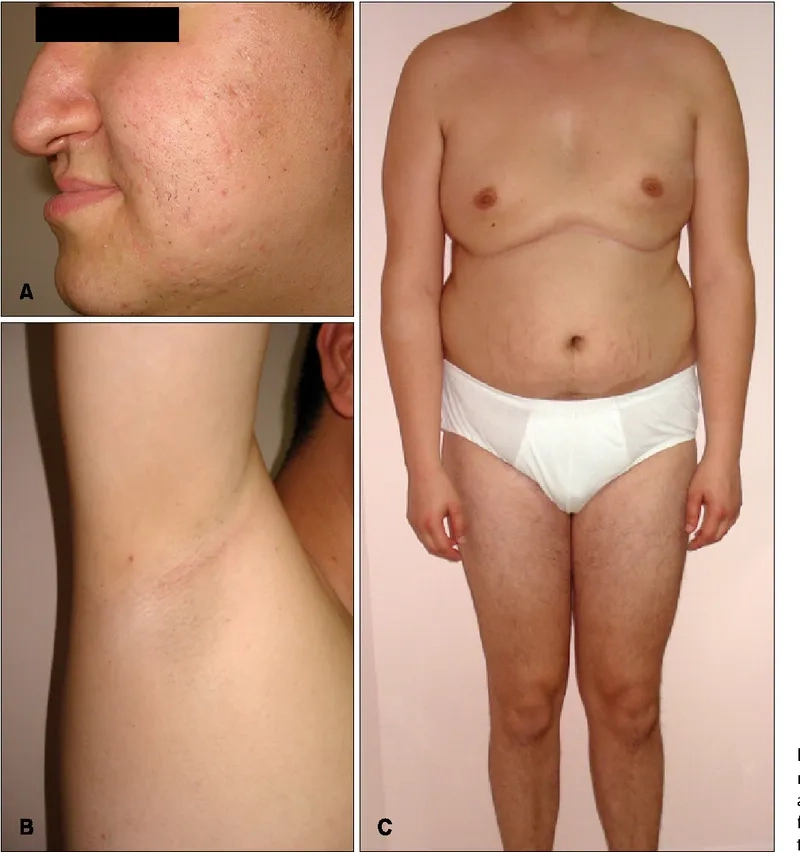
- Physical Klinefelter syndrome symptoms can include a taller, less muscular stature, reduced facial and body hair, and broader hips compared to other males.
- Infertility due to low testosterone and little to no sperm production is a key sign, along with an increased risk for certain long-term health issues.
- Some boys and men may also experience learning disabilities, delayed speech and language development, or social challenges such as shyness and low self-confidence.
How can you prevent Klinefelter Syndrome effectively?
- Because it is a random genetic event, Klinefelter syndrome causes cannot be prevented; however, its associated challenges can be managed effectively with early intervention.
- An early Klinefelter syndrome diagnosis and treatment, like testosterone therapy, can help manage many symptoms and support typical development during puberty and adulthood.
- Educational support, speech therapy, and physical therapy can greatly help manage developmental delays and improve muscle tone, coordination, and social skills throughout life.
>>> See more: Lymphedema management - reducing swelling and improving quality
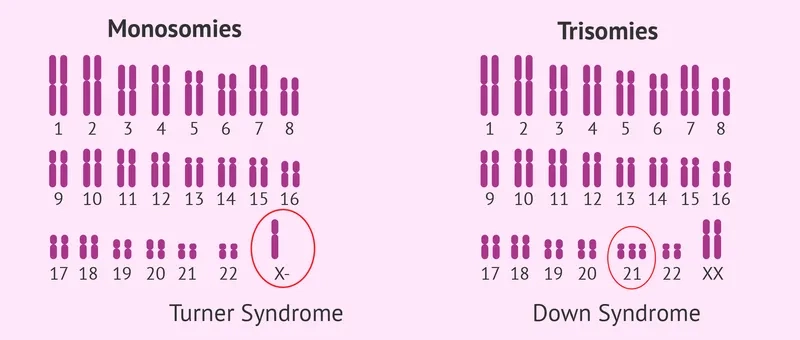
Recognizing the warning signs of Klinefelter Syndrome through images





>>> See more: Down syndrome – causes, symptoms and care
With proper care, the Klinefelter syndrome life expectancy is typically normal. If you suspect this condition, a simple blood test can provide a definitive diagnosis. Consult a healthcare provider or geneticist to discuss testing and personalized treatment options.
>>> Details at: Turner syndrome – signs, diagnosis and treatment