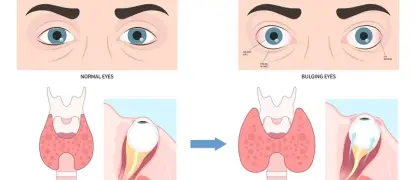

High cholesterol often has no symptoms but silently damages your arteries. Understanding hyperlipidemia is the first step to controlling your heart health and preventing serious complications. Don't wait for a wake-up call.
What are the main causes of Hyperlipidemia?
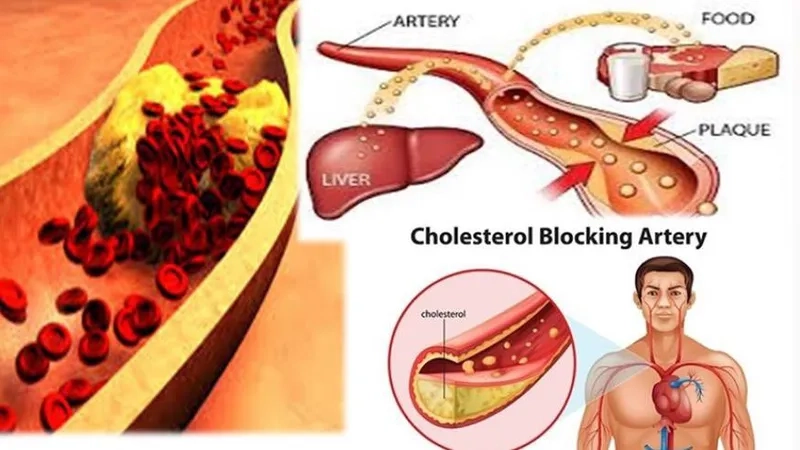
- The primary causes of high cholesterol include a diet high in saturated fats, a sedentary lifestyle, and excessive alcohol consumption.
- Some people have a genetic predisposition to the condition, meaning their bodies naturally produce too much LDL cholesterol or triglycerides.
- Other medical issues like diabetes, hypothyroidism, and kidney disease can also disrupt the body's lipid metabolism and lead to high cholesterol.

Key symptoms of Hyperlipidemia to watch for
- What is hyperlipidemia? It is a silent condition, meaning it typically does not cause any noticeable symptoms on its own.
- Symptoms only arise from its complications, such as chest pain (angina), shortness of breath, or pain in the legs when walking.
- Because there are no early symptoms, a diagnosis is usually made through a routine blood test called a lipid panel.
How can you prevent or manage Hyperlipidemia effectively?
- Adopting a heart-healthy hyperlipidemia diet rich in fruits, vegetables, and whole grains while limiting saturated fats is a key strategy.
- Engaging in regular physical activity, maintaining a healthy weight, and quitting smoking can significantly improve your cholesterol and triglyceride levels.
- For many, hyperlipidemia treatment includes medication, with statins being the most commonly prescribed drugs to effectively lower LDL cholesterol.
>>> Read more here: Polycystic ovary syndrome - A guide to managing PCOS symptoms
Image of the disease Hyperlipidemia and other variables

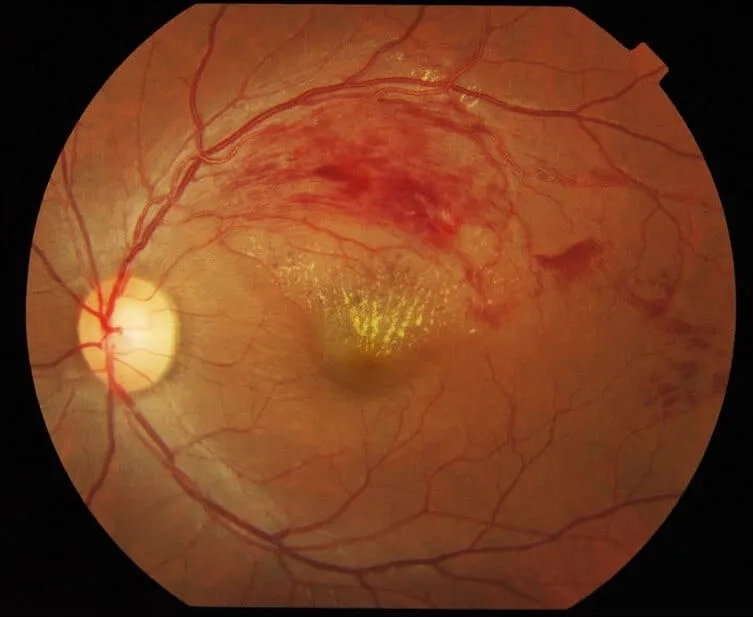
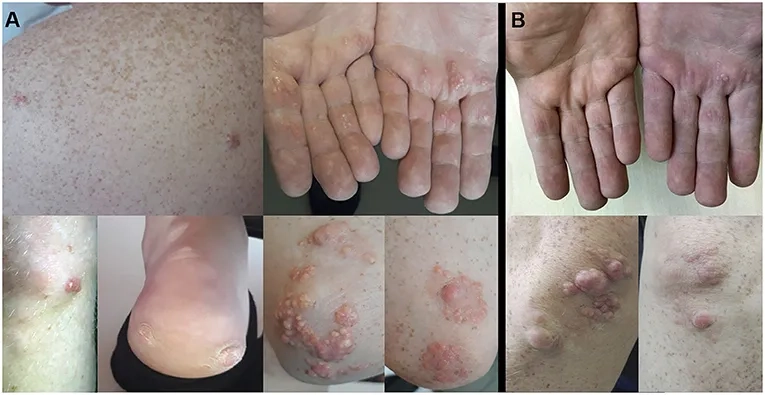

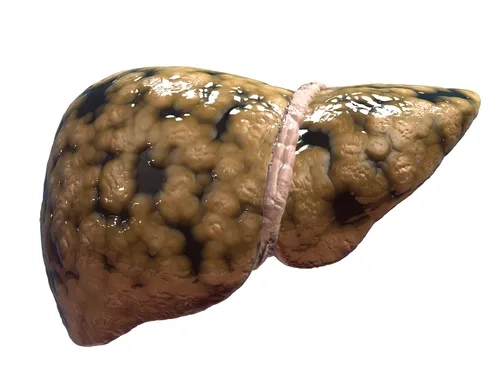
>>> Learn fully at: Addison's disease - Recognizing the signs of adrenal insufficiency
Managing hyperlipidemia is a lifelong commitment to your health. Speak with your doctor about a regular lipid panel and to create a personalized treatment plan.
>>> Read to understand more: Cushing's syndrome - The effects of excess cortisol on the body