
While rare, understanding Gaucher disease is vital for affected families. Recognizing the signs early can lead to life-changing treatments and improved outcomes. This guide breaks down what you need to know about this inherited condition and its management.
What are the main causes of Gaucher Disease?
- The primary of the Gaucher disease causes is a deficiency of an enzyme called glucocerebrosidase, leading to a harmful buildup of fatty lipids.
- This is a genetic disorder resulting from a faulty GBA gene; it follows an autosomal recessive Gaucher disease inheritance pattern.
- For a child to be affected, they must inherit one copy of the mutated gene from both parents, who are typically unaffected carriers.

Key symptoms of Gaucher Disease to watch for
- Common Gaucher disease symptoms include significant enlargement of the spleen and liver, causing abdominal pain, swelling, and a feeling of fullness.
- Bone pain, bone crises, and an increased risk for fractures are prominent signs, especially in Gaucher disease type 1, the most common form.
- The disease also affects blood counts, leading to anemia (fatigue and weakness) and thrombocytopenia (easy bruising and prolonged bleeding).
How can you prevent Gaucher Disease effectively?
- Because it is a genetic condition, Gaucher disease cannot be prevented, but genetic counseling can help at-risk couples understand their options.
- The most effective Gaucher disease treatment is enzyme replacement therapy (ERT), which helps break down the fatty buildup and manage symptoms.
- An early and accurate Gaucher disease diagnosis through blood tests and genetic analysis is crucial for starting treatment and improving long-term health.
>>> Don't miss: Hidradenitis suppurativa – causes, symptoms and care
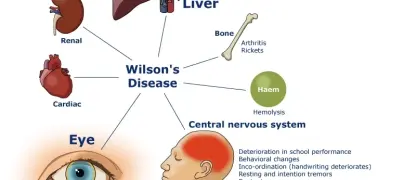
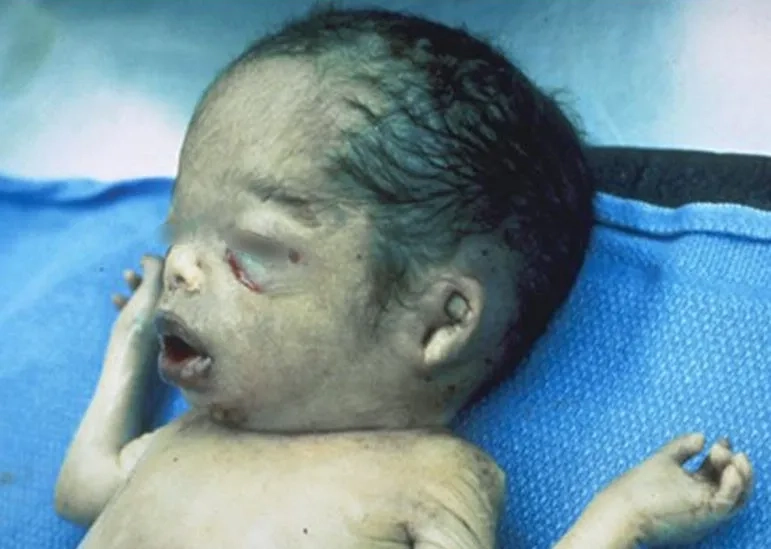
Image illustrating the effects of Gaucher Disease on the body




>>> Discover more: Ichthyosis – types, causes and treatment options
While a Gaucher disease diagnosis can be daunting, effective treatments have significantly improved the Gaucher disease life expectancy. If you or a family member show symptoms, consult a specialist for testing and to discuss a comprehensive management plan.
>>> Learn now: Epidermolysis bullosa – symptoms, diagnosis and care