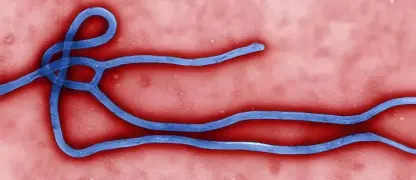

Crimean-Congo Hemorrhagic Fever (CCHF) is a severe, often fatal, tick-borne viral disease that demands immediate attention. Understanding what is CCHF disease and how it spreads is critical for anyone in endemic regions. Don't underestimate this dangerous virus.
What are the main causes of Crimean-Congo Hemorrhagic Fever?
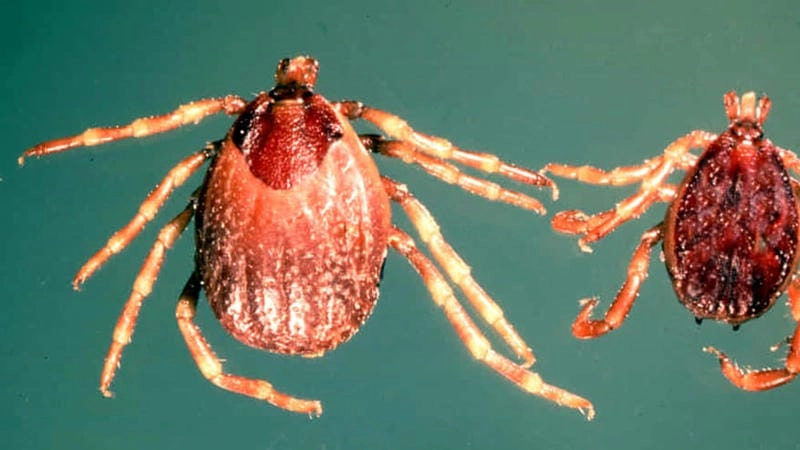
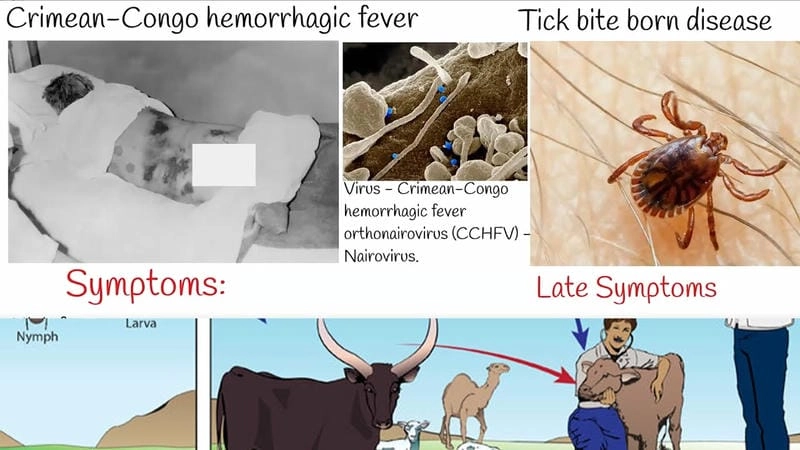
- The CCHF virus is primarily transmitted to humans through the bite of an infected Hyalomma tick CCHF, commonly found in livestock.
- CCHF virus transmission also occurs through contact with infected animal blood or tissues during and immediately after slaughter.
- Person-to-person transmission, or "is CCHF contagious?" answer, is possible through close contact with blood or body fluids of an infected patient.
Key symptoms of Crimean-Congo Hemorrhagic Fever to watch for
- Early Crimean-Congo Hemorrhagic Fever symptoms include sudden onset of high fever, muscle aches, dizziness, neck pain, and a stiff neck.
- As the disease progresses, patients may experience sensitivity to light, vomiting, diarrhea, abdominal pain, and severe mood swings.
- More severe cases involve bleeding into the skin, nosebleeds, and uncontrolled bleeding from injection sites, indicating advanced hemorrhagic manifestations.
How can you prevent Crimean-Congo Hemorrhagic Fever effectively?
- Effective prevention of CCHF involves avoiding tick bites by wearing protective clothing, using acaricides on livestock, and applying insect repellent.
- Those working with livestock or in healthcare settings must use personal protective equipment (PPE) to prevent contact with infected blood and tissues.
- Currently, there is no widely available CCHF vaccine for humans, emphasizing the importance of tick bite prevention and cautious handling of animals.
>>> Discover more: California encephalitis - Protecting children from mosquito bites
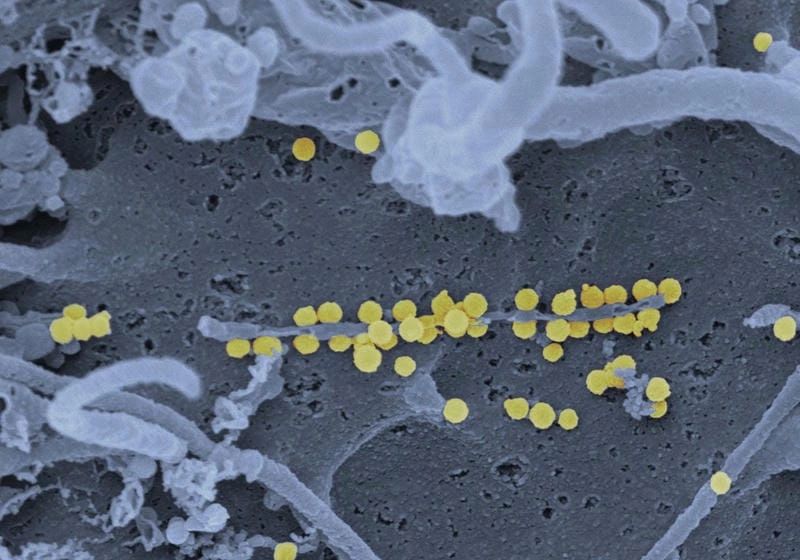
Image of the disease Crimean-Congo Hemorrhagic Fever


>>> Learn now: Chikungunya - Managing the severe joint pain and symptoms
Recognizing the signs and knowing how to prevent CCHF can save lives, given the variable Crimean-Congo Hemorrhagic Fever survival rate. Stay informed about Crimean-Congo Hemorrhagic Fever outbreaks and protect yourself. Consult public health advisories for local risks.
>>> Understand more about: Colorado tick fever - A viral infection from the Rocky Mountain wood tick