
Understanding Friedreich's Ataxia is the first step toward managing this rare condition. Don't miss this essential guide on its causes, symptoms, and care strategies, providing vital clarity for patients and families navigating this journey.
What are the main causes of Friedreich's Ataxia?
- This condition is a genetic ataxia caused by a mutation in the FXN gene, which is inherited in an autosomal recessive pattern from both parents.
- The primary cause of Friedreich's Ataxia is the gene mutation leading to a severe deficiency of a vital protein known as frataxin in the body.
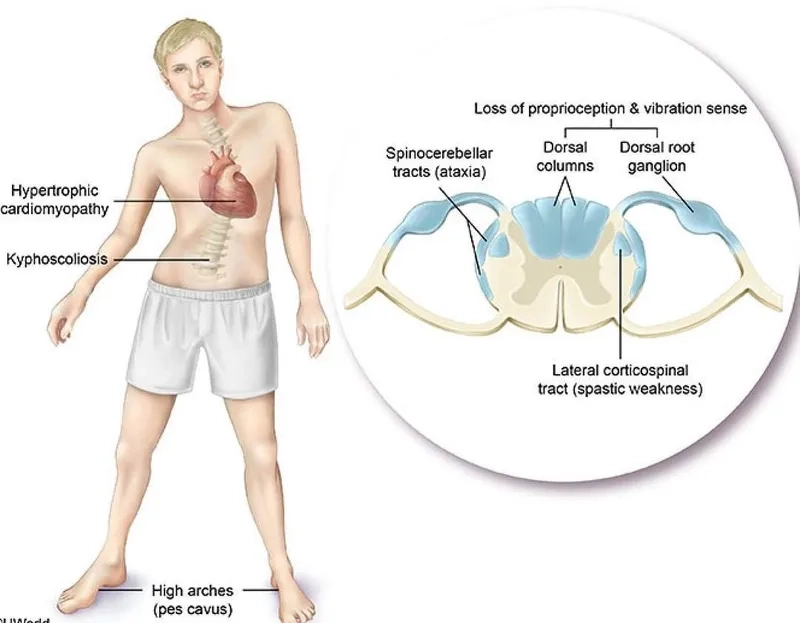
- Reduced frataxin levels cause damage to the nervous system, particularly the spinal cord and peripheral nerves, and can also seriously affect the heart muscle.
Key symptoms of Friedreich's Ataxia to watch for
- The most common initial Friedreich's Ataxia symptoms are progressive difficulty with walking and balance (gait ataxia), which typically appears during childhood or adolescence.
- Many individuals develop slurred, slow, or difficult-to-understand speech (dysarthria) and lose coordination in their arms and hands, impacting fine motor skills.
- Other significant symptoms include chronic fatigue, aggressive scoliosis (curvature of the spine), and serious heart conditions like hypertrophic cardiomyopathy, which require monitoring.
How can you manage Friedreich's Ataxia effectively?
- While it cannot be prevented, genetic counseling is crucial for families with a history of the disorder to understand the risks of passing it on.
- Management focuses on a multidisciplinary approach, including physical, occupational, and speech therapy to help maintain function and independence for as long as possible.
- Regular monitoring by a cardiologist is vital to manage heart complications, which are a primary concern and significantly impact the overall FA life expectancy.
>>> Update more information: Restless legs syndrome - Finding relief for that creepy-crawly feeling
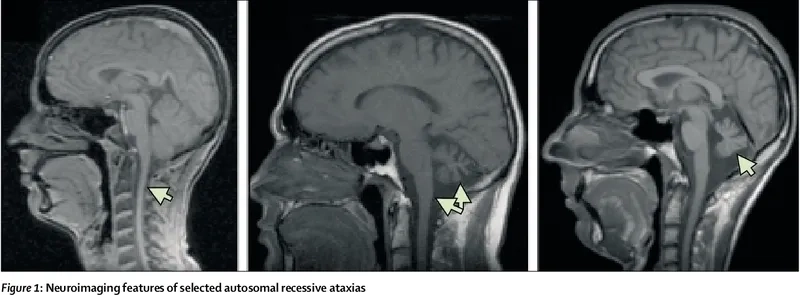
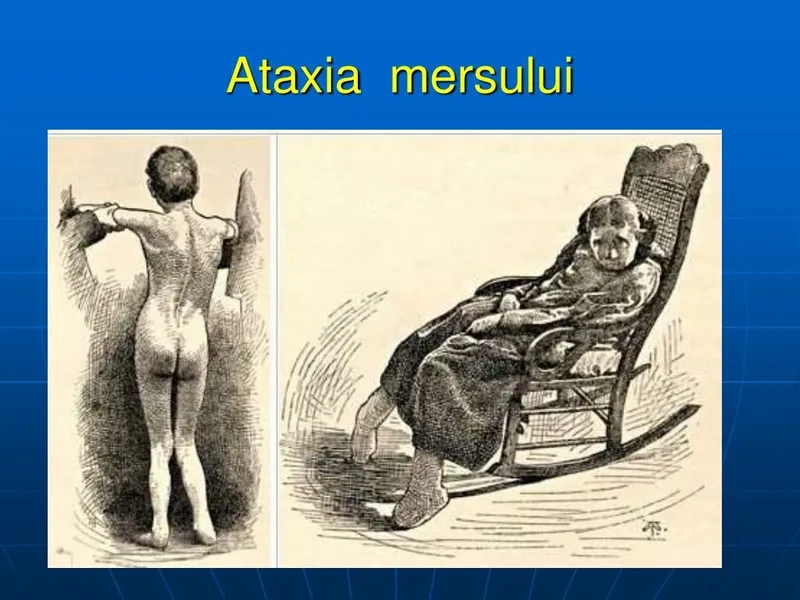
The most searched Friedreich's Ataxia images





>>> Update more information: Cerebral palsy - A guide to the types and lifelong management
Living with a rare disease like Friedreich's Ataxia requires a strong support system and expert medical care. Connect with patient advocacy groups and specialists. Share this article to raise crucial awareness.
>>> Update more information: Spina bifida - Understanding this birth defect of the spine