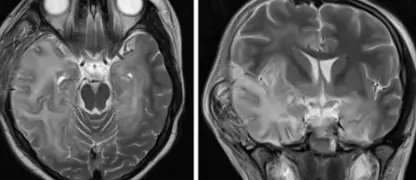

Nipah virus encephalitis is a rare but deadly disease affecting the brain. Early recognition of symptoms and prompt medical care are critical for preventing severe outcomes.
What are the main causes of Nipah Virus Encephalitis?
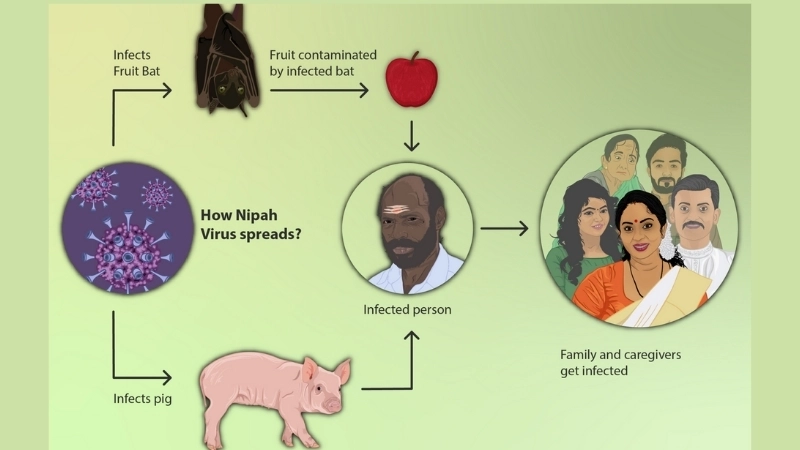
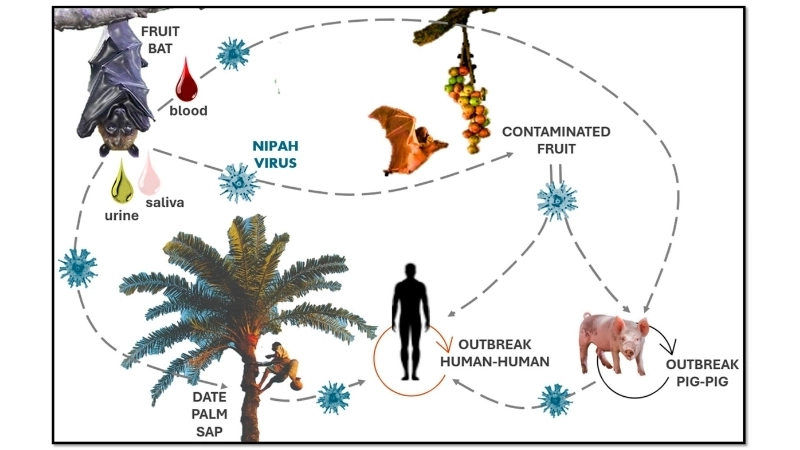
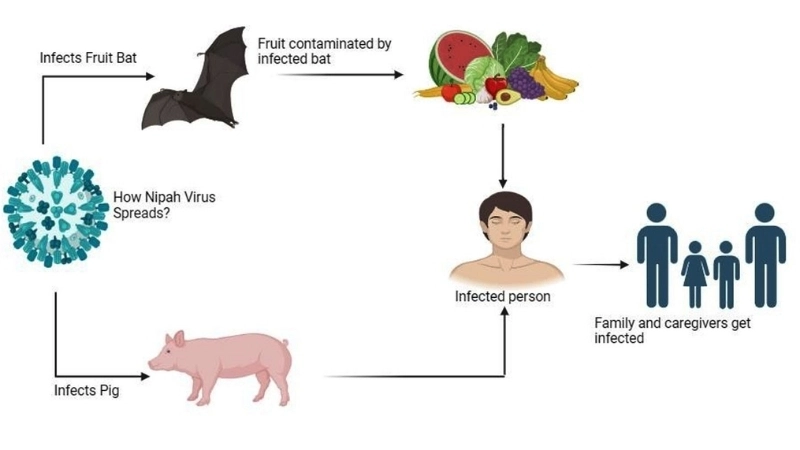
- Nipah virus spreads from infected fruit bats to humans through direct contact with contaminated fruits or secretions, causing serious brain inflammation.
- Human-to-human transmission occurs via close contact with infected individuals’ body fluids, increasing the risk of community outbreaks.
- Contact with infected animals, such as pigs, can also transmit Nipah virus to humans, especially in rural farming areas.
Key symptoms of Nipah Virus Encephalitis to watch for
- Early symptoms include fever, headache, and muscle aches, which may progress to drowsiness or confusion within a few days.
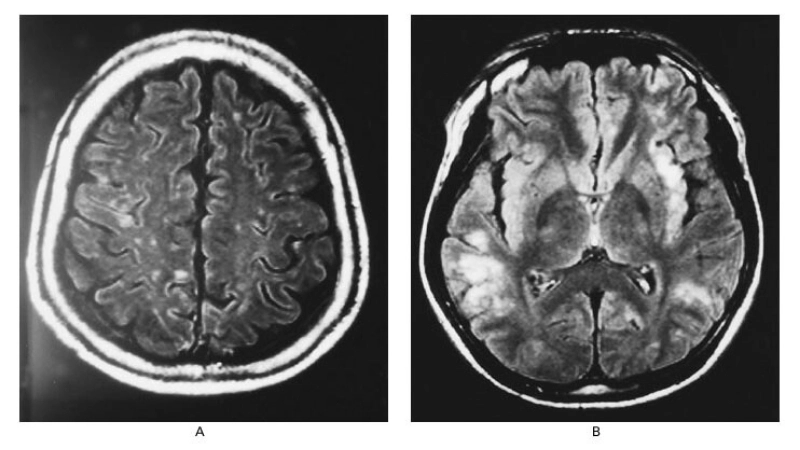
- Severe neurological symptoms such as seizures, disorientation, and loss of consciousness often indicate the onset of encephalitis.
- Respiratory symptoms like coughing, difficulty breathing, and sore throat may appear, signaling potential complications in severe cases.
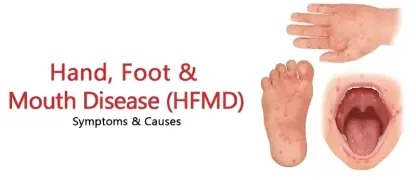
>>>Explore further: Causes of Hand, Foot, Mouth Disease (with CNS complications)
How can you prevent Nipah Virus Encephalitis effectively?
- Avoid consuming raw or partially eaten fruits that may have been contaminated by bats to reduce the risk of infection.
- Maintain proper hygiene and protective measures when caring for infected patients, including wearing gloves and masks.
- Limit contact with sick animals or pigs in outbreak areas and ensure animals are quarantined if symptoms appear.
>>>Explore further: Understanding progressive multifocal leukoencephalopathy
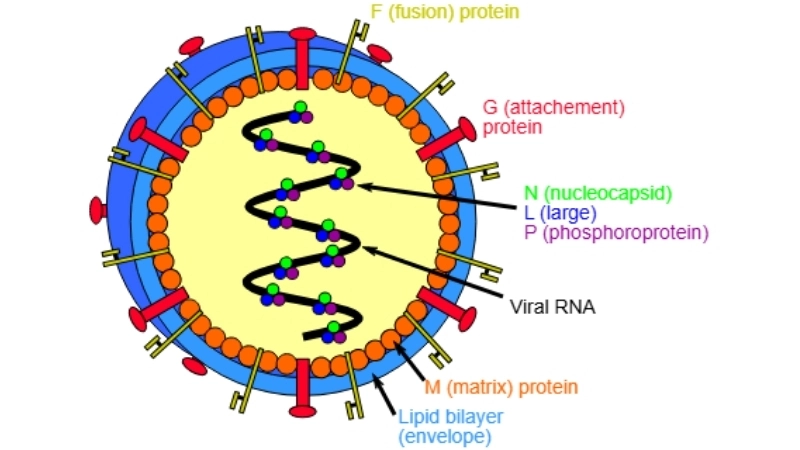
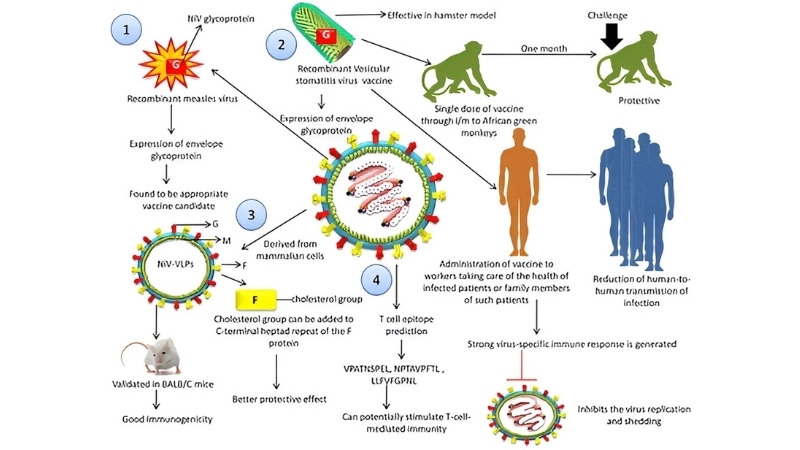
Image description of Nipah Virus Encephalitis
Nipah Virus Encephalitis is a rare but deadly viral infection transmitted from bats or animals to humans. It primarily affects the brain, causing severe neurological and respiratory symptoms. Awareness and prevention are crucial to controlling outbreaks.
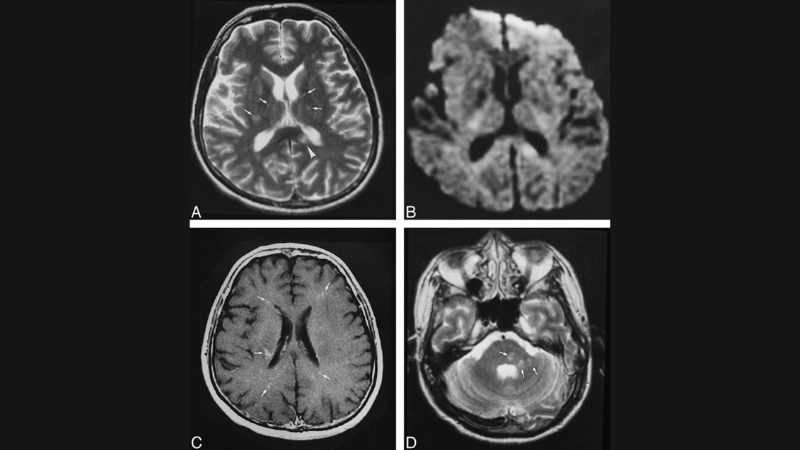


>>>Explore further: Understanding Powassan encephalitis for general health
Awareness and prevention are key to combating Nipah virus encephalitis. Following expert guidance can reduce the risk and protect communities from outbreaks.