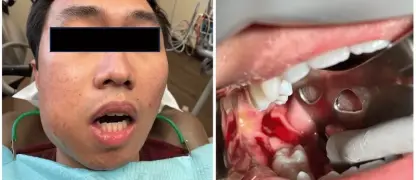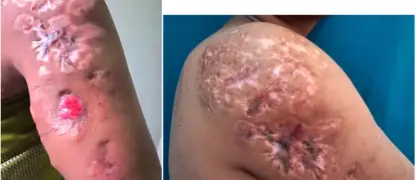

Recognising the early signs of necrotizing fasciitis is critical, as this severe infection progresses with alarming speed. Do not underestimate a skin wound; arm yourself with the knowledge to identify the danger signs and protect yourself from this devastating flesh-eating bacteria.
What are the main causes of Necrotizing Fasciitis?
- The most common cause is Group A Strep bacteria entering the body through a break in the skin, such as a cut, scrape, or surgical wound.
- Bacteria like Vibrio vulnificus, found in warm coastal waters, can also cause infection when an open wound is exposed to contaminated seawater or seafood.
- Multiple types of bacteria can lead to this condition, often working together to rapidly destroy tissue after gaining entry into the body's soft tissues.
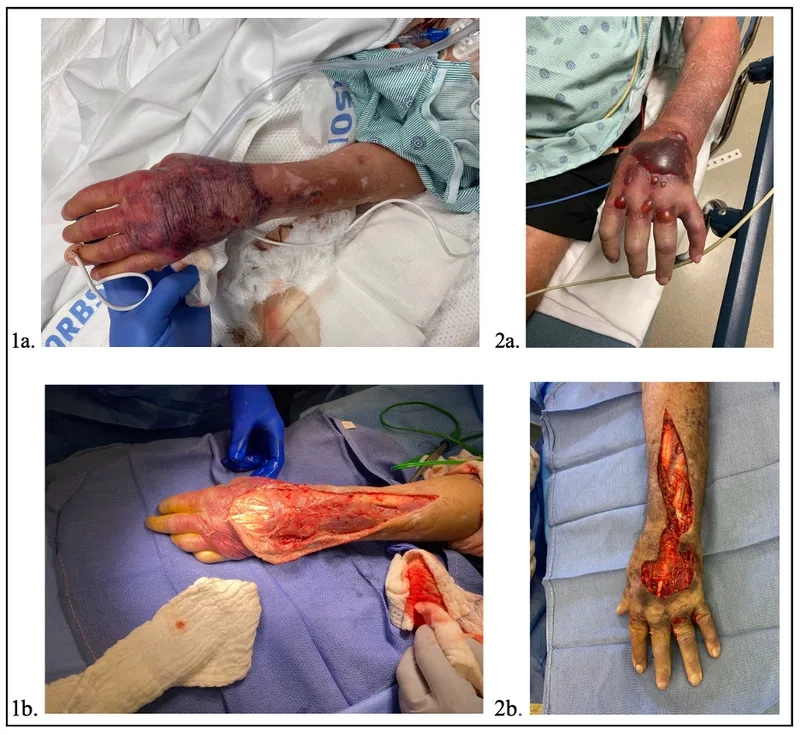
Key symptoms of Necrotizing Fasciitis to watch for
- An early sign is pain that is unusually severe and seems disproportionate to the size or appearance of the wound on your skin's surface.
- The affected area will often become red, swollen, and warm to the touch, with the discolouration spreading very quickly, sometimes within hours.
- Flu-like symptoms such as high fever, chills, nausea, and intense fatigue will develop as the body tries to fight the rapidly advancing infection.
How can you prevent Necrotizing Fasciitis effectively?
- Practice proper hygiene and first aid by immediately washing any wound, no matter how minor, with soap and water to remove potential contaminants.
- Keep all open wounds, burns, or blisters covered with clean, dry bandages until they are completely healed to prevent bacterial entry from the environment.
- Avoid using hot tubs, swimming pools, and natural bodies of water like lakes or oceans if you have an open wound or a fresh surgical incision.
>>> Read more here: Haemophilus influenzae (Hib) - Vaccine and disease info
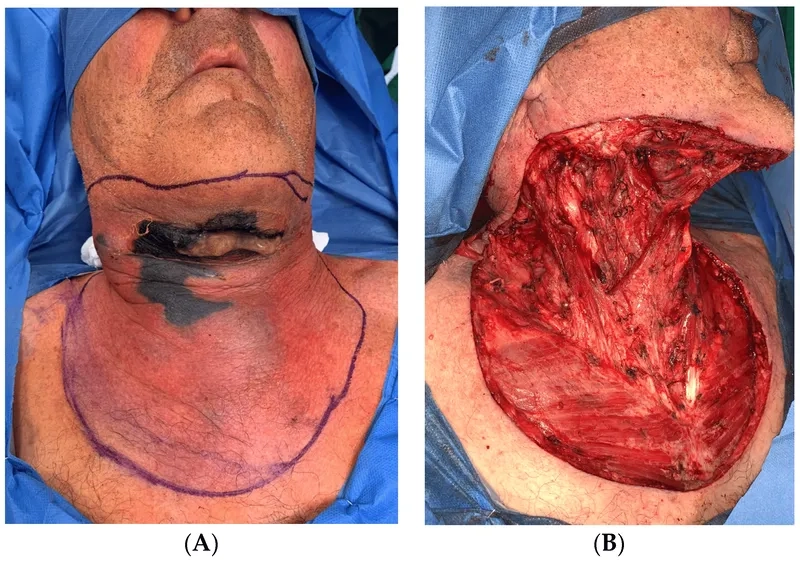
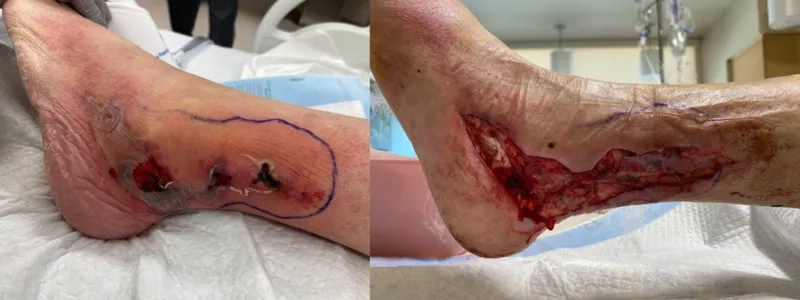
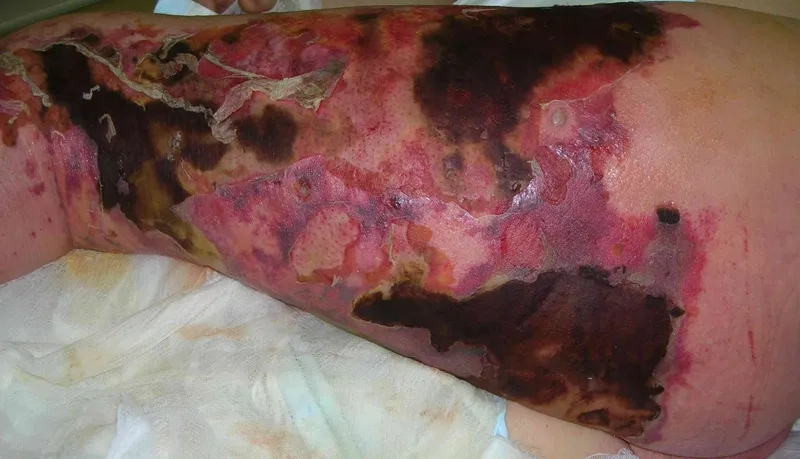
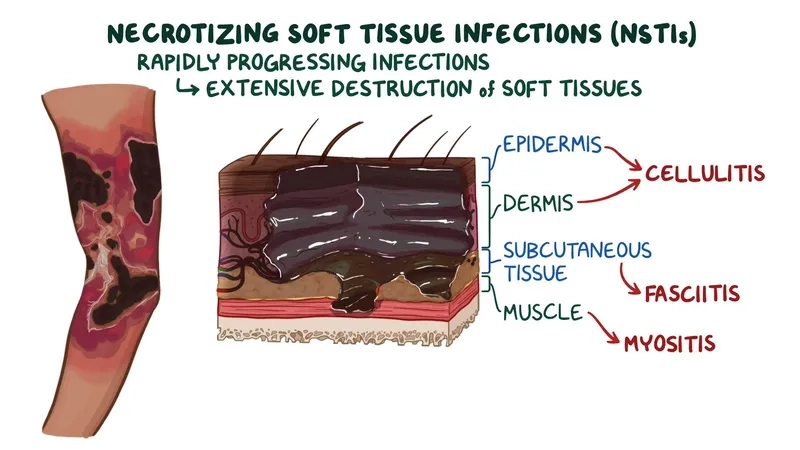
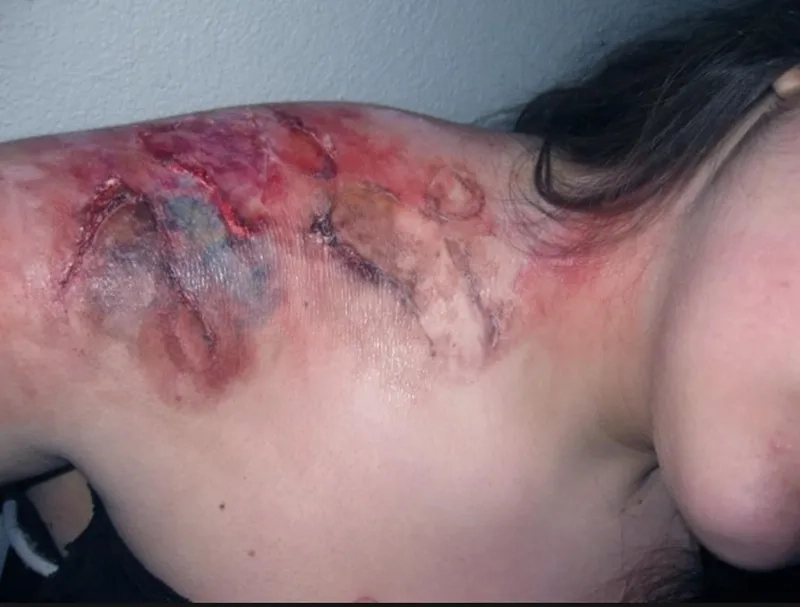
Illustrated illustrations Necrotizing Fasciitis
>>> Related articles: Impetigo - How to treat this contagious skin infection
Necrotizing fasciitis is a time-critical medical emergency. If you suspect you have this infection due to rapidly worsening symptoms around a wound, go to the nearest emergency department immediately. Prompt action, including debridement surgery, is crucial for survival.
>>> Add more knowledge: Mycoplasma pneumoniae - The cause of walking pneumonia