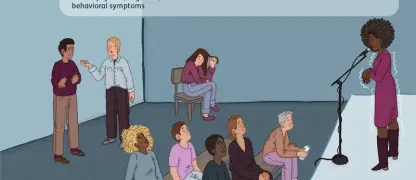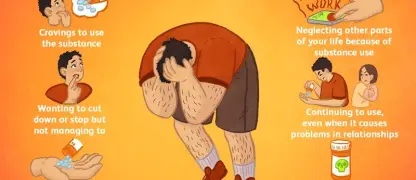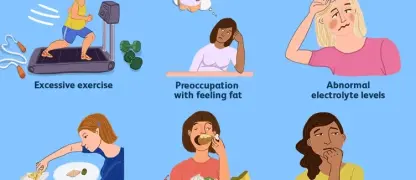

Changes in a loved one's thoughts can be confusing. Understanding schizophrenia is the first step toward compassion and effective support. Don't let misconceptions guide you—learn the facts about this complex condition.
What are the main causes of Schizophrenia?
- What is schizophrenia? It is a serious mental disorder that affects a person's ability to interpret reality, manage emotions, and relate to others.
- The exact causes of schizophrenia are unknown, but researchers believe a combination of genetics, brain chemistry, and environmental factors contribute.
- Brain structure and central nervous system function are also thought to play a significant role in the onset of this complex disorder.

Key symptoms of Schizophrenia to watch for
- Key schizophrenia symptoms are categorized as positive, negative, and cognitive, with early signs of schizophrenia often including social withdrawal or apathy.
- Positive symptoms of schizophrenia include psychotic behaviors like hallucinations (seeing or hearing things that aren't there) and delusions (strong false beliefs).
- Negative symptoms involve disruptions to normal emotions and behaviors, like a flat affect (reduced expression) and lack of motivation.
How is Schizophrenia treated and managed?
- While there is no cure, treatment can help manage the most severe symptoms and improve a person's ability to function.
- The cornerstone of treatment is antipsychotic medication, which helps reduce the intensity of hallucinations, delusions, and disordered thoughts.
- Psychosocial therapies, including cognitive behavioral therapy and family support, are crucial for developing coping skills and managing the illness long-term.
>>> Understand more: Mixed connective tissue disease - An overlap of autoimmune conditions
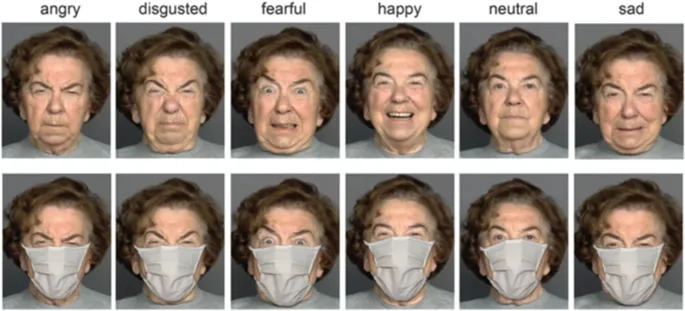
The most searched Schizophrenia images






>>> Let's learn: Guillain-Barré syndrome - From acute paralysis to chronic variants
With consistent treatment and support, people with schizophrenia can lead fulfilling lives. If you or a loved one show symptoms, seeking a professional evaluation is the most important step.
>>> Read to understand more: Ehlers-Danlos syndromes - Living with hypermobility and fragile skin