
Feeling overwhelmed by sudden, intense fear? You're not alone. Understanding panic disorder is the critical first step to managing your symptoms and reclaiming your life. Don't let fear control you—get the essential facts you need to fight back effectively.
What are the main causes of Panic Disorder?
- A significant factor is genetics, as individuals with a family history of panic disorder or other anxiety disorders are at a higher risk.
- Major life stress, such as a traumatic event or a period of significant change, can trigger the initial onset of panic attacks in susceptible people.
- It may involve a hypersensitive "fight or flight" response, where the brain misinterprets harmless situations as imminent threats, causing a surge of adrenaline.
Key symptoms of Panic Disorder to watch for
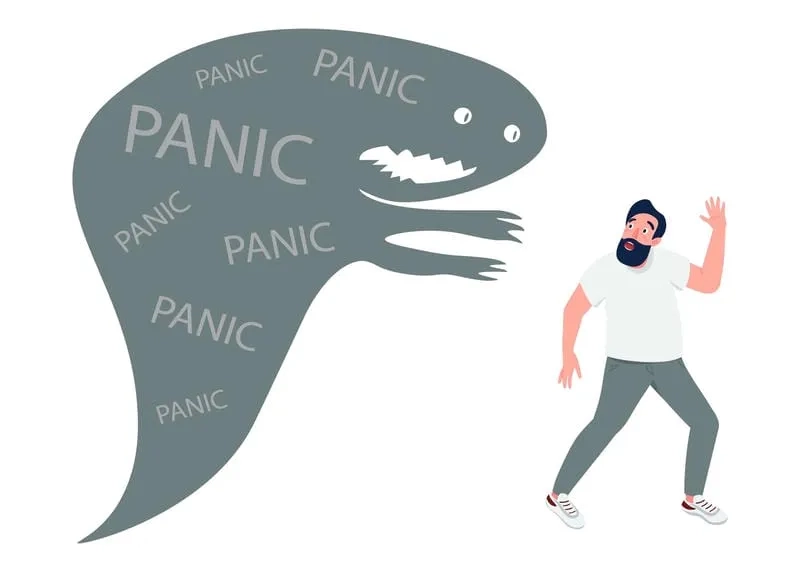
- Individuals experience recurrent and unexpected panic attacks, which are sudden periods of intense fear that peak within minutes, often without any real danger.
- Physical symptoms are prominent and include a pounding heart, sweating, trembling, shortness of breath, chest pain, and a feeling of impending doom.
- A persistent worry about having additional attacks often leads to significant behavioral changes, such as avoiding places where previous attacks have occurred.
How can you prevent Panic Disorder effectively?
- Cognitive-behavioral therapy (CBT) is a highly effective treatment that teaches you different ways of thinking and reacting to the feelings that trigger panic.
- Practicing stress management and relaxation techniques, such as deep breathing, mindfulness, and yoga, can help reduce overall anxiety levels and prevent attacks.
- Avoiding stimulants like caffeine, nicotine, and certain medications can help manage symptoms, as they can increase heart rate and trigger the body's stress response.
>>> Update more information: Friedreich's ataxia - A guide to this rare inherited disease
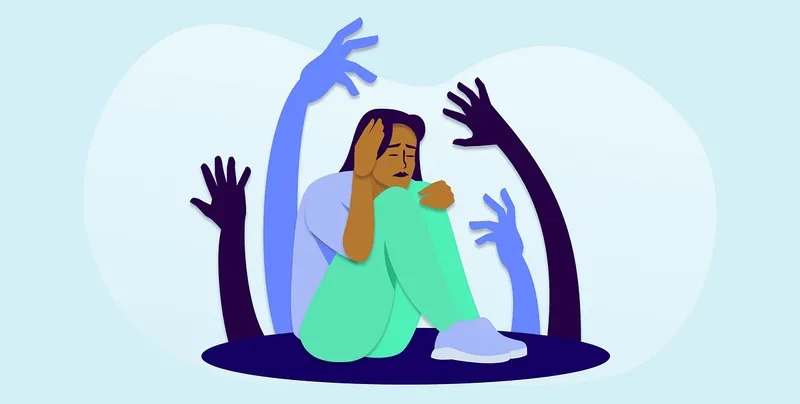
Understanding Panic Disorder Visually




>>> See more photos: Lewy body dementia - Key symptoms that differ from Alzheimer's
Living with panic disorder can feel isolating, but effective treatments and coping strategies are available to help you regain control. Speak with a mental health professional to explore a personalized treatment plan and start your journey toward recovery.
>>> Explore more: Frontotemporal dementia - When personality and behavior change