

If you have Hepatitis B, you are at risk for a more severe form of liver disease. Understanding Hepatitis D is not just important—it's critical for protecting your long-term health from this dangerous co-infection. Don't remain in the dark about this threat.
What are the main causes of Hepatitis D?
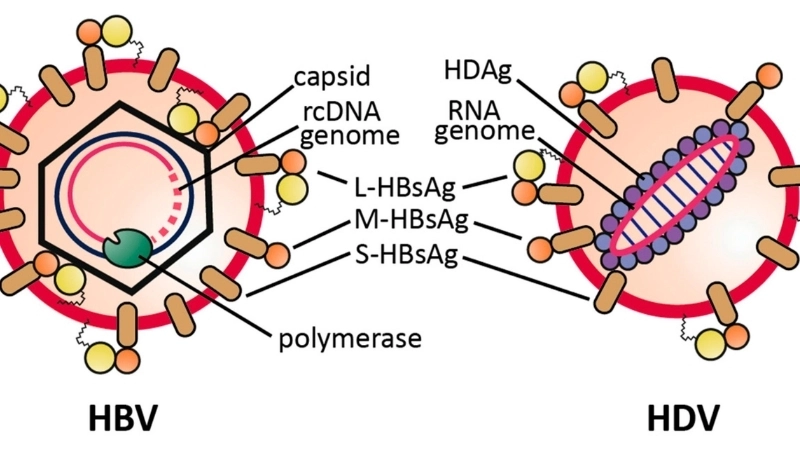
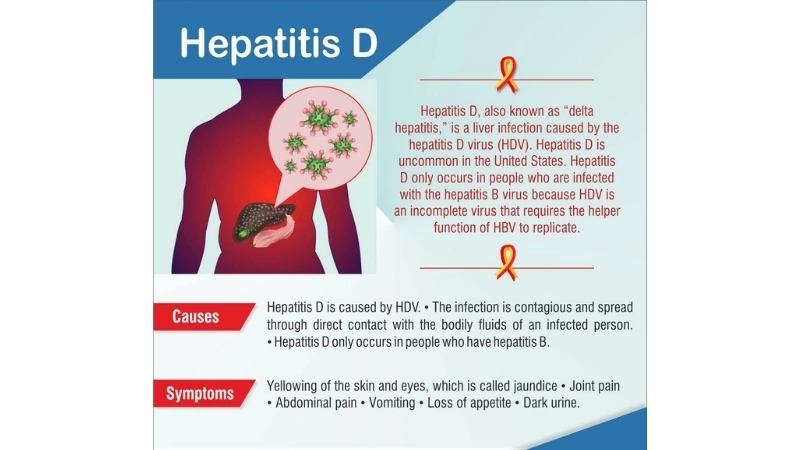
- Hepatitis D is caused by the Hepatitis D virus (HDV), a unique virus that requires the presence of the Hepatitis B virus (HBV) to replicate.
- It spreads through percutaneous or mucosal contact with infected blood or bodily fluids, often via shared needles, unsafe medical procedures, or sexual contact.
- Infection can occur as a co-infection (getting HBV and HDV simultaneously) or a superinfection (getting HDV after already having chronic Hepatitis B).
Key symptoms of Hepatitis D to watch for
- Symptoms often include sudden fatigue, nausea, vomiting, abdominal pain, and loss of appetite, which are common across different types of viral hepatitis.
- A key sign of acute infection is jaundice, which causes a yellowing of the skin and eyes, often accompanied by dark urine and pale stools.
- Hepatitis D significantly accelerates liver damage, leading to a higher risk of severe outcomes like cirrhosis and liver cancer compared to having HBV alone.
How can you prevent Hepatitis D effectively?
- The most effective way to prevent Hepatitis D is by getting vaccinated against Hepatitis B, as the HDV virus cannot infect a person without HBV.
- Avoid sharing personal items that could have blood on them, such as razors or toothbrushes, and never share needles or other drug-injection equipment.
- If you have chronic Hepatitis B, regular screening and follow-ups with your doctor are crucial to monitor liver health and detect a potential superinfection early.
>>> See this article: Creutzfeldt-Jakob Disease (CJD): An Overview
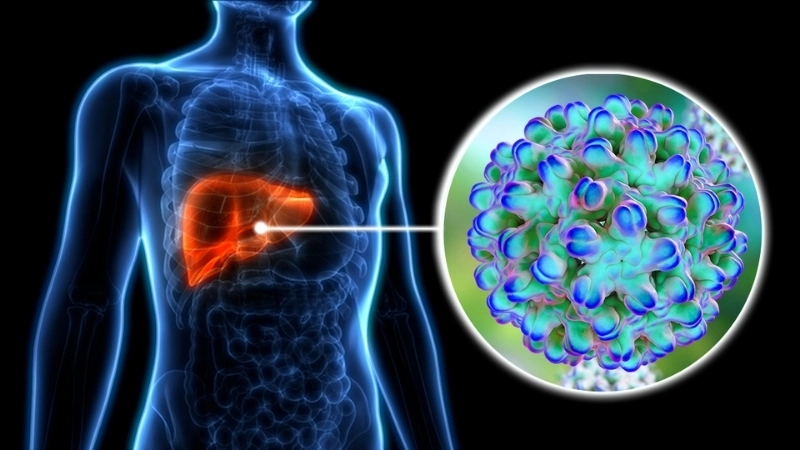
Image of the disease Hepatitis D



>>> Discover more: Filariasis: Diagnosis, Treatment, and Management
Hepatitis D is a serious health concern that requires proactive prevention and management. If you are living with Hepatitis B, speak with your healthcare provider about your risk and the importance of regular monitoring to safeguard your future health.
>>> See more: Understanding Hantavirus Pulmonary Syndrome