
Living with symptoms of both psychosis and a mood disorder can feel isolating and confusing. Don't navigate this complex condition alone; get the clear, expert answers and insights you need to understand it right now.
What are the main causes of Schizoaffective Disorder?
- The exact cause is unknown, but it involves a complex interplay of genetic factors, meaning it can run in families with similar mental health conditions.
- Brain chemistry and structure, particularly imbalances in key neurotransmitters like dopamine and serotonin, are believed to play a significant role in its development.
- Exposure to certain viruses before birth or experiencing highly stressful life events may act as triggers for individuals who are genetically predisposed.
Key symptoms of Schizoaffective Disorder to watch for
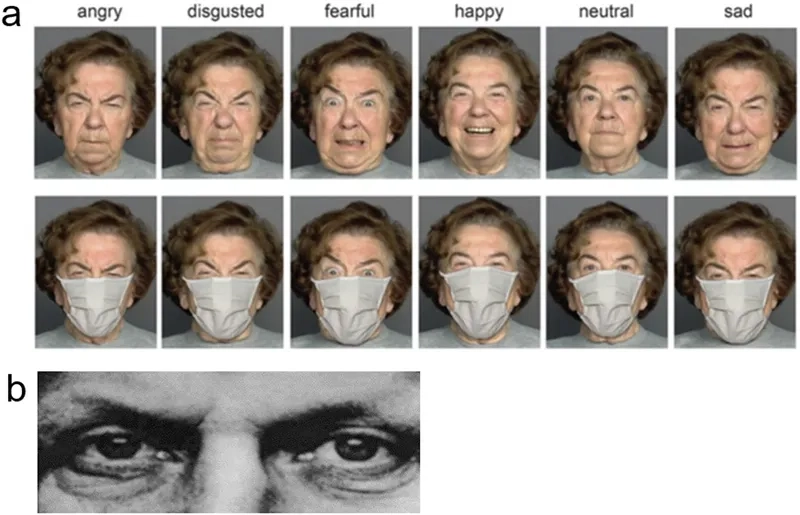
- Core schizoaffective disorder symptoms include psychosis, such as hallucinations or delusions, that occur even when a major mood episode is not present.
- Patients also experience significant mood episodes, which can be manic (in the schizoaffective bipolar type) or depressive, lasting for extended periods.
- Disorganized speech, impaired occupational or social functioning, and significant challenges with self-care are other common signs that require professional evaluation.
How can you manage Schizoaffective Disorder effectively?
- Since the condition cannot be prevented, the goal of schizoaffective disorder treatment is to manage symptoms and improve a person's long-term quality of life.
- A combination of antipsychotic medications to control psychosis and mood stabilizers or antidepressants for mood episodes is the standard treatment approach.
- Psychotherapy, including individual counseling and skills training, is essential for helping patients cope with their illness and navigate daily life challenges.
>>> Understand more: Obsessive-compulsive disorder - Beyond stereotypes of cleaning
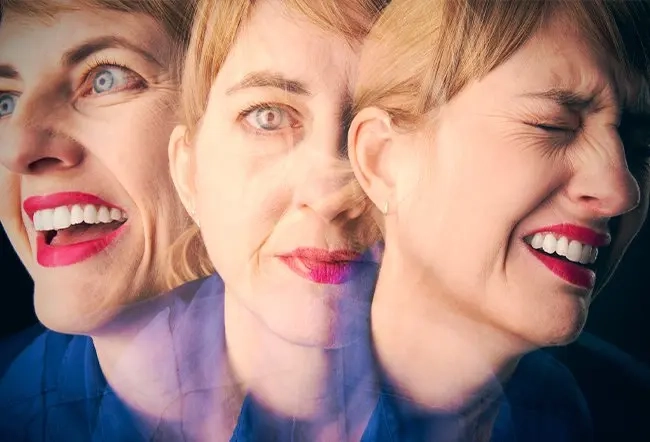
The top Schizoaffective Disorder images everyone is searching for




>>> Understand more: Post-traumatic stress disorder - Healing from the invisible wounds
Understanding what is schizoaffective disorder is the first step toward getting the right help. If you or a loved one are struggling, seeking a diagnosis from a mental health professional is a crucial step forward.
>>> Understand more about: Attention-deficit/hyperactivity disorder - Thriving with ADHD