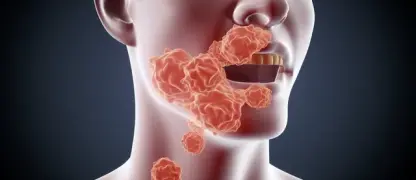

Don't ignore persistent swollen glands or unexplained fatigue. Understanding lymphoma, a cancer of the immune system, is crucial for early detection. Knowing the signs can lead to a timely diagnosis and better outcomes, so arm yourself with this vital information now.
What are the main causes of Lymphoma?
- The exact cause is unknown, but it begins when a lymphocyte (a type of white blood cell) develops a genetic mutation that causes it to multiply.
- Risk factors can include a weakened immune system due to an autoimmune disease or HIV, as well as exposure to certain viruses like Epstein-Barr.
- Advancing age, a family history of the disease, and previous exposure to certain chemicals or radiation can also increase a person's risk for developing lymphoma.

Key symptoms of Lymphoma to watch for
- The most common of all lymphoma symptoms is a painless swelling of lymph nodes, which are often found as lumps in the neck, armpits, or groin.
- Systemic "B symptoms" can also occur, including persistent fever, drenching night sweats, and unexplained weight loss, which often indicate a more active disease.
- Other signs may include persistent fatigue, shortness of breath, an itchy rash, or a feeling of fullness below the ribs due to an enlarged spleen.
How is Lymphoma diagnosed?
- A definitive lymphoma diagnosis requires a biopsy, where a surgeon removes all or part of an affected lymph node for examination by a pathologist.
- The biopsy helps determine the specific type, such as Hodgkin's lymphoma, Non-Hodgkin's lymphoma, or a subtype like B-cell lymphoma, which guides treatment.
- Imaging tests like CT, PET, and MRI scans are then used by doctors to determine the stage of the cancer and see where it has spread.
>>> See this article: Colorectal cancer – symptoms, stages and care
Image showing the lymphatic system


>>> Learn now: Skin cancer – causes, warning signs and treatment
Early and accurate diagnosis is critical for determining the best lymphoma treatment plan and improving the survival rate. If you have persistent or worrying symptoms, such as swollen lymph nodes, consult your doctor promptly for a professional evaluation.
>>> Details at: Leukemia – symptoms, types and treatment